
Table of Contents
In the global aquarium industry, driftwood is more than a decorative element—it is a functional and biological component that directly affects water chemistry, fish health, and aquascaping stability. For wholesalers, distributors, pet brands, and aquarium retailers, sourcing safe aquarium driftwood wholesale is a critical decision that influences customer trust, product returns, and long-term brand reputation.
Unlike untreated or decorative wood, aquarium driftwood must be fully cured, non-toxic, and free from harmful leaching to be suitable for aquatic environments. Buyers searching for safe aquarium driftwood wholesale are not simply comparing prices—they are seeking assurance of safety, consistency, compliance, and scalable supply.
This guide explains what truly defines safe aquarium driftwood, why fully cured & no leaching is essential, how wholesale buyers should evaluate suppliers, and how to secure a reliable long-term source for international markets.
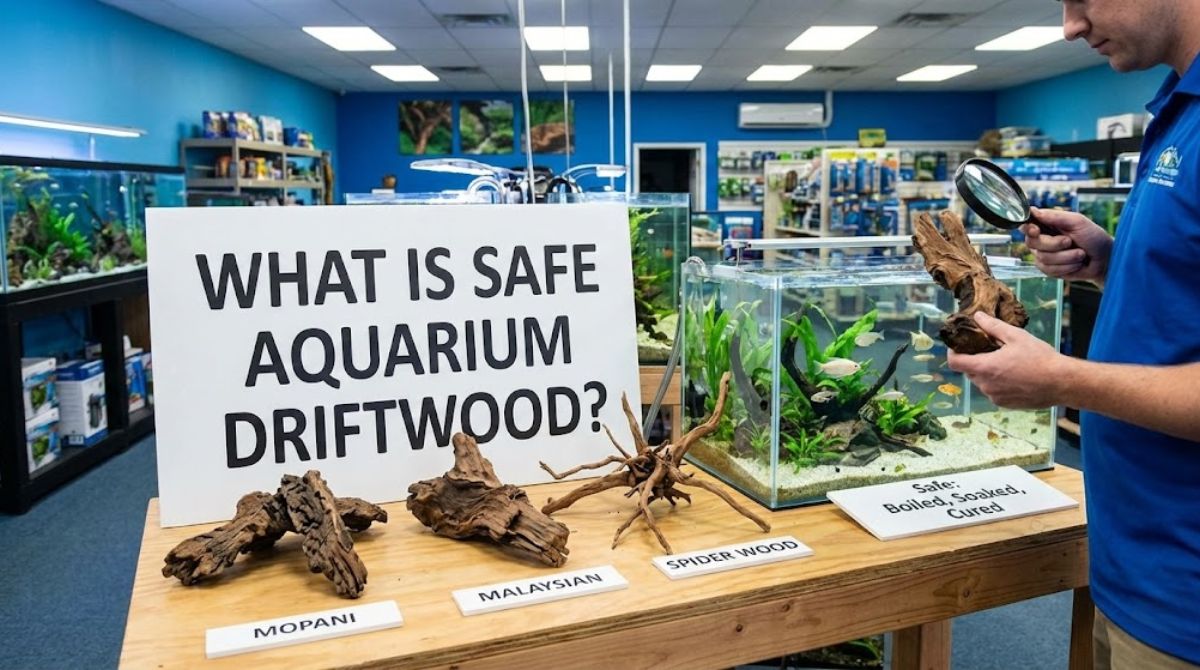
What Is Safe Aquarium Driftwood?
Safe aquarium driftwood refers to natural hardwood that has been specifically processed and tested for use in freshwater or marine aquariums. Not all wood is aquarium-safe. In fact, improperly treated wood can release toxins, alter water parameters, or rot underwater—causing serious harm to fish and plants.
For wholesale buyers, “safe” means:
- Free from toxic resins, sap, or chemicals
- Properly dried and cured to prevent decay
- Controlled tannin release (no uncontrolled leaching)
- Sterilized to remove pests, bacteria, and fungi
- Stable underwater over long periods
When sourcing safe aquarium driftwood wholesale, buyers must prioritize processing standards, not just appearance.
Why Fully Cured Driftwood Matters in Aquariums
One of the most common problems aquarium hobbyists encounter is driftwood that clouds the water, emits unpleasant odors, or begins to deteriorate after only a few months in the tank. In nearly all cases, these issues are the result of incomplete or improper curing before the driftwood reaches the market.
For wholesale buyers and retailers, selling uncured driftwood often leads to customer complaints, product returns, and long-term damage to brand trust. This is why curing is a critical quality factor—not an optional step—in aquarium driftwood manufacturing.
What Does “Fully Cured” Mean?
Fully cured aquarium driftwood has undergone a controlled drying and stabilization process designed specifically for long-term submersion in aquatic environments. Unlike decorative wood, aquarium-grade driftwood must be processed to ensure both biological and structural safety.
A proper curing process typically includes:
- Extended air-drying or professional kiln drying
- Moisture content reduction to aquarium-safe levels
- Removal of internal sap, sugars, and organic residues
- Structural stabilization to prevent cracking, splitting, or softening underwater
For safe aquarium driftwood wholesale, full curing ensures consistency across production batches, allowing distributors and retailers to deliver reliable quality to end customers while minimizing after-sales issues.
Benefits of Fully Cured Driftwood
Using fully cured driftwood provides clear advantages for both aquarium users and wholesale buyers:
- Prevents wood rot, mold, and fungal growth
- Minimizes sudden or excessive tannin release
- Maintains long-term structural integrity underwater
- Extends the usable lifespan of the product in aquariums
- Reduces customer complaints and product returns
A professional safe aquarium driftwood wholesale supplier will always be transparent about their curing process and, when required, provide documentation or technical explanations to verify product readiness for aquarium use.
Understanding “No Leaching” in Aquarium Driftwood
Leaching refers to the release of natural substances—most commonly tannins—into aquarium water after driftwood is submerged. While a mild, controlled release of tannins can benefit certain fish species and biotope-style aquariums, uncontrolled leaching is a serious quality concern, especially in commercial and retail environments.
For wholesale buyers, excessive leaching signals inadequate processing and often leads to end-user complaints. This is why “no leaching” has become a key requirement when sourcing safe aquarium driftwood wholesale.
Why No Leaching Is Critical for Wholesale Buyers
Retail customers increasingly expect aquarium driftwood that is ready to use or requires minimal preparation. Driftwood that releases excessive tannins immediately after installation creates visible and measurable problems, including:
- Dark or tea-colored aquarium water
- Sudden and unstable pH fluctuations
- Increased maintenance requirements for hobbyists
- Customer dissatisfaction, negative reviews, and brand distrust
- Higher return rates and after-sales issues
From a wholesale perspective, products that cause water discoloration or chemistry instability can quickly damage retailer relationships and reduce repeat orders.
It is important to note that “no leaching” does not mean zero tannin presence forever. Instead, it indicates that tannin release has been pre-stabilized and controlled through professional treatment methods before the product reaches the market.
How Professional Manufacturers Achieve No Leaching
Reputable manufacturers apply multiple pre-treatment steps to ensure leaching is controlled before export. These processes typically include:
- Long-term soaking cycles to remove excess tannins
- Repeated boiling or high-temperature steam treatment
- Controlled curing processes to stabilize the internal structure
- Pre-testing driftwood in water tanks to monitor color change and pH impact
When evaluating safe aquarium driftwood wholesale suppliers, buyers should always confirm that leaching tests are part of the quality control process and that results are consistent across production batches.
Types of Aquarium Driftwood Suitable for Wholesale
Not all wood species are suitable for aquarium use. In fact, using the wrong type of wood can introduce toxins, accelerate decay, or destabilize water parameters. This is why experienced manufacturers specializing in safe aquarium driftwood wholesale carefully select hardwoods that are naturally dense, slow to decompose, and proven safe in long-term aquatic environments.
Professional suppliers focus on wood types that combine durability, aesthetic appeal, and biological safety—ensuring consistent performance for both retailers and end users.
Common Aquarium-Safe Driftwood Types
Driftwood Hardwood (Processed River or Coastal Wood)
This category includes naturally weathered hardwood collected from riverbanks or coastal areas and professionally processed for aquarium use. After curing and leaching control, this driftwood offers organic shapes and excellent durability, making it suitable for a wide range of freshwater aquariums.
Mopani-Style Hardwood
Mopani-style hardwood is known for its dense structure and striking two-tone appearance. When fully cured and pre-treated, it provides exceptional longevity underwater and controlled tannin release, making it a popular choice for both decorative and biotope aquariums.
Spider Wood Alternatives (Treated Root Wood)
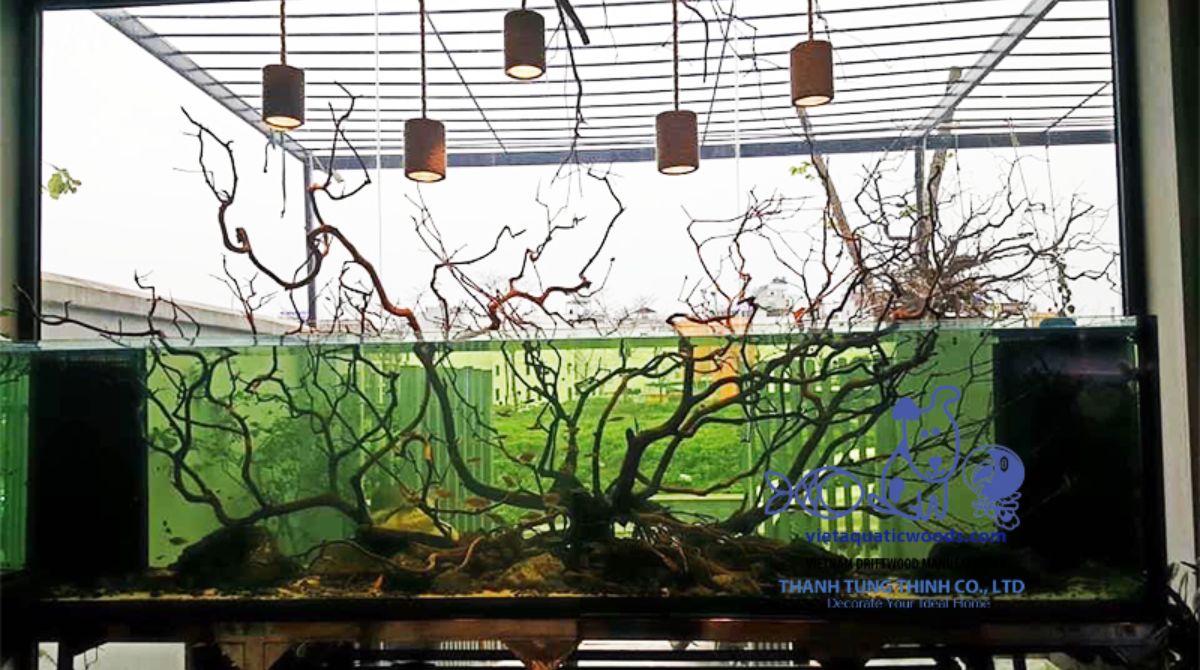
Spider wood–style driftwood features intricate branching forms ideal for aquascaping layouts. Professional manufacturers use carefully treated root wood to ensure stability, safety, and resistance to decay, addressing common concerns associated with untreated root materials.
Branch-Style Aquascaping Wood
Branch-style driftwood is commonly used to create natural tree-like or forest aquascapes. When sourced and processed correctly, this type of wood offers a lightweight structure with sufficient density for long-term aquarium use.
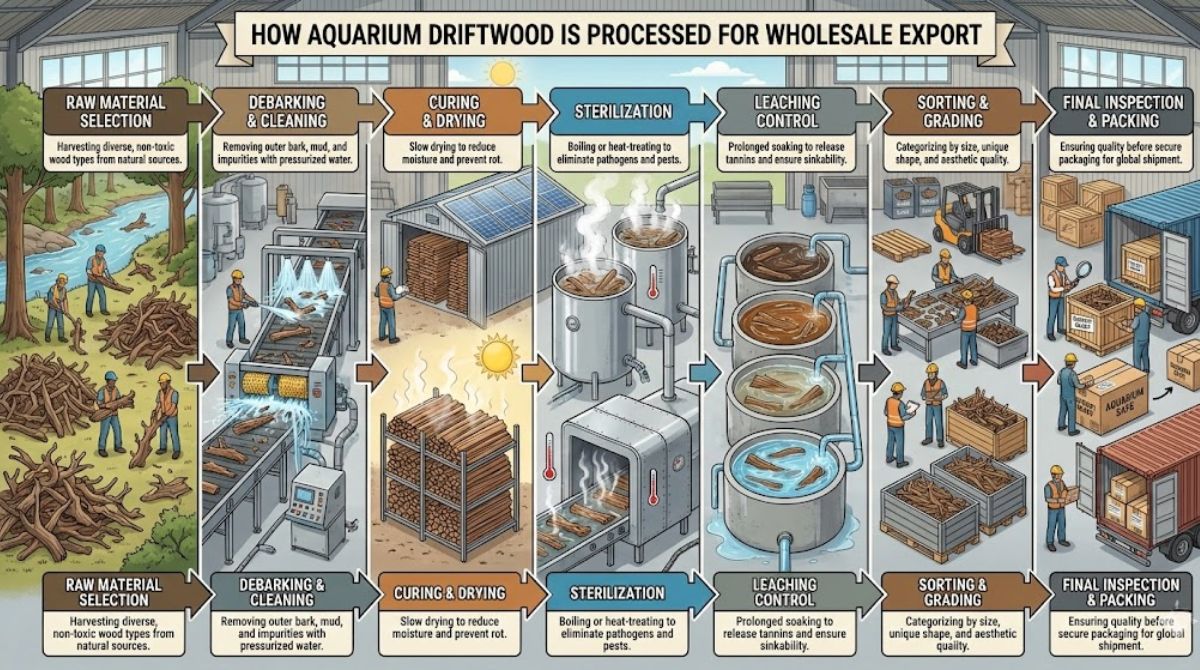
How Aquarium Driftwood Is Processed for Wholesale Export
Understanding how aquarium driftwood is manufactured and prepared for export is essential for buyers seeking long-term quality and supply stability. A transparent, well-controlled production process is one of the clearest indicators that distinguishes a professional safe aquarium driftwood wholesale supplier from low-grade exporters or traders.
Proper processing ensures that the driftwood is biologically safe, structurally stable, and compliant with international shipping and import standards.
Step-by-Step Wholesale Processing
- Step 1: Raw Material Selection → Only carefully selected, non-toxic hardwood species are used for aquarium driftwood production. Professional manufacturers avoid resinous or chemically active woods that may release harmful substances into aquarium water.
- Step 2: Debarking & Cleaning → All bark, dirt, insects, and surface contaminants are mechanically removed. This step reduces the risk of decay, pest infestation, and contamination during both use and transportation.
- Step 3: Curing & Drying → The wood is air-dried or kiln-dried over extended periods to achieve stable moisture content. Proper curing prevents cracking, rotting, and structural degradation once the driftwood is submerged in water.
- Step 4: Sterilization → Heat treatment or high-temperature steam sterilization is applied to eliminate bacteria, fungi, and microorganisms. This step is critical for ensuring aquarium safety and meeting international export requirements.
- Step 5: Leaching Control → Driftwood undergoes controlled soaking and water testing to stabilize tannin release. Reputable manufacturers monitor water color and pH levels to ensure leaching is minimized before shipment.
- Step 6: Sorting & Grading: Finished driftwood is sorted and graded based on size, shape, density, and overall quality. This allows wholesale buyers to order consistent assortments tailored to retail or aquascaping needs.
- Step 7: Final Inspection & Packing → Each batch is inspected for moisture levels, cleanliness, and structural integrity before being packed in moisture-controlled, export-ready packaging to prevent damage during transit.
Quality Standards Wholesale Buyers Should Look For
When sourcing aquarium driftwood in bulk, consistent quality is just as critical as product safety. Even driftwood that is technically aquarium-safe can cause problems if quality varies from batch to batch. For wholesale buyers, inconsistent quality often leads to higher return rates, damaged retailer relationships, and increased after-sales costs.
This is why professional buyers evaluate suppliers not only on materials and pricing, but also on quality control systems and inspection standards.
Key Quality Indicators
When assessing safe aquarium driftwood wholesale products, buyers should look for the following indicators:
- Stable moisture content: Properly dried driftwood should not feel damp or excessively brittle, ensuring long-term stability underwater.
- No chemical or unnatural odor: Any strong or artificial smell may indicate chemical treatment or insufficient curing.
- No soft, spongy, or decaying areas: High-quality driftwood should be firm and structurally sound throughout.
- Clean surface without mold or residue: The surface should be free from visible mold, fungi, dirt, or organic buildup.
- Consistent size and shape grading: Accurate grading ensures predictable packaging, easier inventory management, and a better retail experience.
Compliance & Export Requirements for Aquarium Driftwood
For international distribution, aquarium driftwood must comply with a range of regulatory, biosecurity, and logistical requirements. Failure to meet these standards can result in shipment delays, customs rejection, or additional inspection costs. For this reason, compliance is a critical factor when selecting a safe aquarium driftwood wholesale supplier.
Professional manufacturers with export experience understand that aquarium driftwood is classified as a natural product and must be properly treated, documented, and declared before entering global markets.
Common Export Compliance Considerations
Wholesale buyers should ensure their suppliers can provide the following:
- Phytosanitary certification: Confirms the driftwood has been treated and inspected to prevent the spread of pests and plant diseases.
- Heat-treatment documentation: Verifies that the wood has undergone approved heat or steam treatment to eliminate insects, larvae, and microorganisms.
- Non-toxic material declaration: Confirms that no harmful chemicals, preservatives, or coatings are present, ensuring safety for aquatic life.
- Compliance with destination import regulations: Includes alignment with country-specific rules in the US, EU, UK, Australia, and other markets.
Experienced safe aquarium driftwood wholesale manufacturers proactively manage these requirements and support buyers with complete, accurate export documentation to ensure smooth customs clearance.
Common Wholesale Packaging Options
- Bulk cartons (mixed sizes): Cost-effective solutions for distributors and large-volume buyers.
- Size-sorted cartons: Ideal for retailers and aquascaping suppliers requiring consistent product dimensions.
- Custom private label packaging: Includes branded cartons, inserts, or tags to support brand identity and retail positioning.
- Retail-ready sets: Pre-packed assortments designed for direct shelf placement or online fulfillment.
Well-packaged driftwood minimizes breakage, controls moisture levels, and simplifies warehouse handling, reducing operational costs for wholesale buyers while improving downstream customer satisfaction.
Market Trends in Aquarium Driftwood Wholesale
Global demand for aquarium driftwood continues to rise as aquariums evolve from basic pet habitats into lifestyle and interior design elements. This shift has significantly increased expectations around product safety, aesthetics, and ease of use, especially in mature markets such as North America, Europe, and Australia.
For wholesale buyers, understanding these trends is essential to staying competitive and aligning product offerings with long-term consumer demand.
Key Trends Shaping the Aquarium Driftwood Market:
- Increased demand for safe, ready-to-use driftwood: Retail customers increasingly prefer driftwood that is fully cured, pre-treated, and requires minimal preparation. Products labeled as safe and aquarium-ready consistently outperform untreated alternatives.
- Growth of aquascaping-focused retail: The rise of professional aquascaping and nature-style aquarium layouts has driven demand for driftwood with unique shapes, natural textures, and consistent quality suitable for display-focused tanks.
- Preference for sustainable and traceable sourcing: Buyers and end users alike are placing greater emphasis on responsibly sourced materials, legal harvesting, and transparent supply chains.
- Rising private label aquarium brands: More distributors and retailers are launching private label product lines to improve margins and brand control, increasing demand for flexible OEM and branding-ready wholesale solutions.
Thanh Tung Thinh – A Leading Aquarium Driftwood Manufacturer in Vietnam
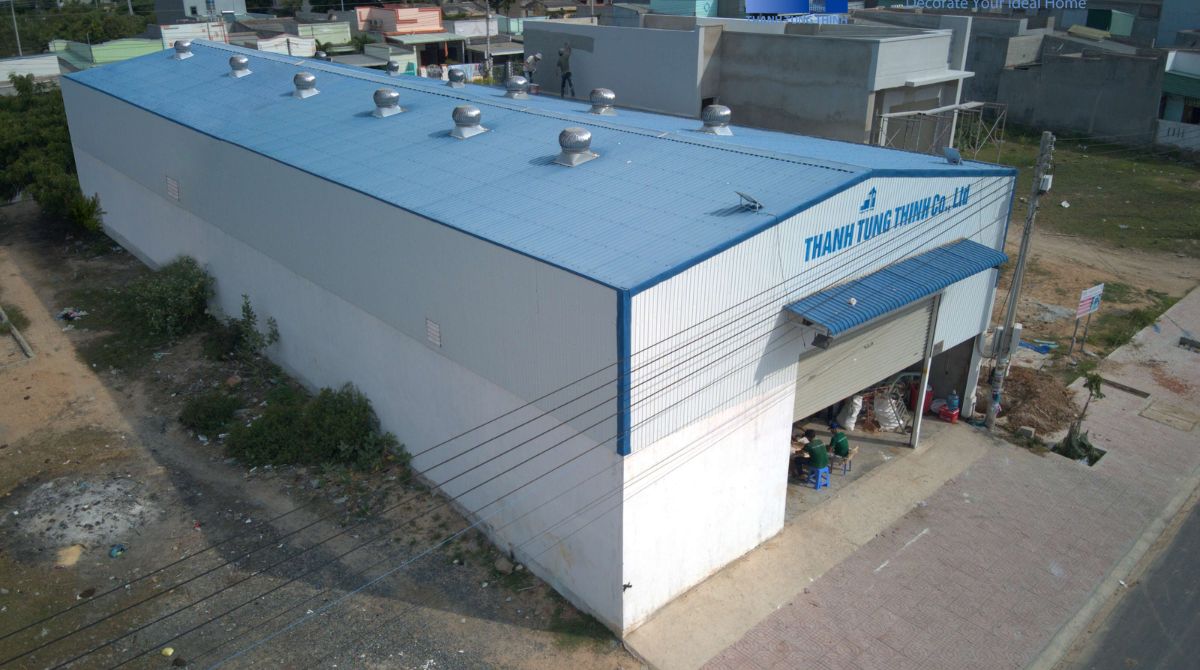
Thanh Tung Thinh is one of Vietnam’s most established and trusted manufacturers specializing in safe aquarium driftwood wholesale for international markets. With years of experience serving overseas partners, the company has successfully delivered large-scale projects to distributors, aquarium brands, and importers across multiple regions.
As a pioneer in Vietnam’s aquarium driftwood manufacturing sector, Thanh Tung Thinh stands out for its strict quality standards, export-ready production processes, and deep understanding of global market requirements. Every driftwood product is carefully selected, fully cured, professionally treated to prevent leaching, and processed to meet the expectations of demanding wholesale buyers.
Key Strengths of Thanh Tung Thinh
- Extensive experience working with foreign partners and international projects
- Fully controlled production process from raw material selection to export packaging
- Strong focus on fully cured, no-leaching, aquarium-safe driftwood
- Ability to handle large-volume wholesale orders with consistent quality
- Support for OEM and private label solutions tailored to global brands
- Compliance with export regulations and international shipping standards
By combining manufacturing expertise with export knowledge, Thanh Tung Thinh has positioned itself as a leading supplier of safe aquarium driftwood wholesale in Vietnam, trusted by partners seeking long-term, stable sourcing solutions.
If you are looking for a reliable manufacturer to support your aquarium driftwood business—whether for wholesale distribution, private label development, or large-scale projects—Thanh Tung Thinh is ready to be your long-term production partner.
Contact Thanh Tung Thinh today to discuss your requirements and receive professional sourcing support.
Conclusion
Choosing safe aquarium driftwood wholesale is a long-term investment in product quality, customer trust, and brand credibility. Fully cured, no-leaching driftwood ensures stable performance in aquariums, reduces after-sales issues, and meets the growing expectations of global retailers and aquascaping brands. Thanh Tung Thinh is a leading aquarium driftwood manufacturer in Vietnam, trusted by international partners for consistent quality, export-ready production, and professional wholesale support. If you are looking for a reliable, safe aquarium driftwood wholesale supplier, contact Thanh Tung Thinh to discuss your sourcing needs and long-term cooperation.
Read more:
- Finding a Reliable Wholesale Driftwood Supplier for Business
- Bonsai Driftwood Aquascape Ideas Every Aquascaper Should Know
