
Table of Contents
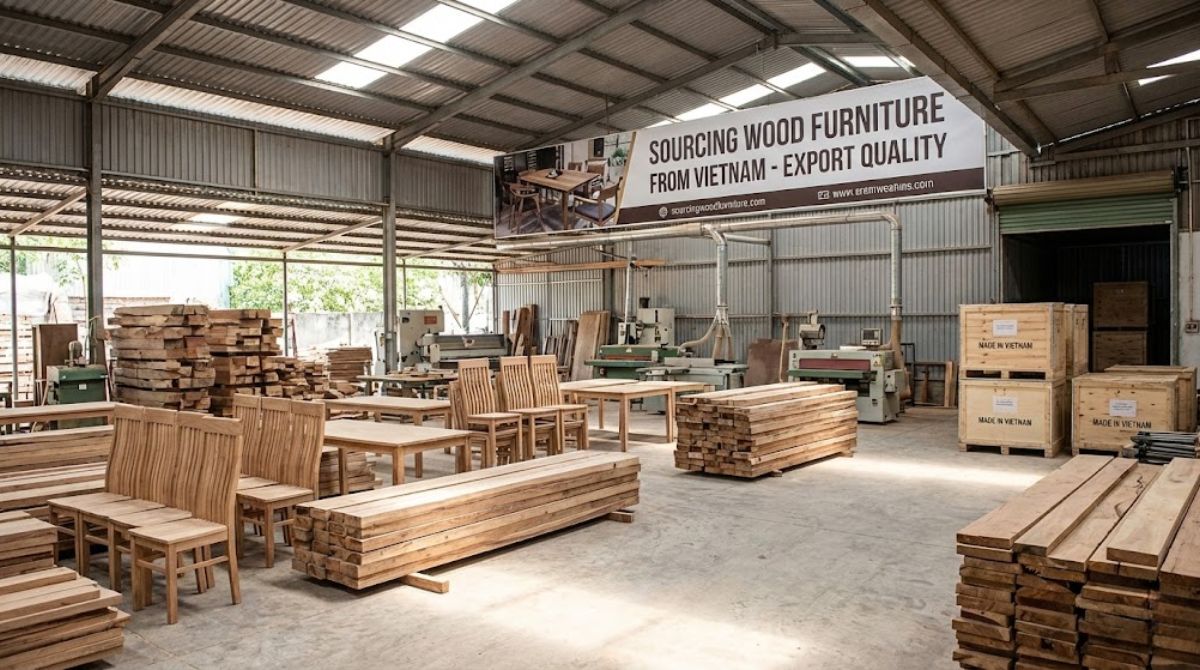
Vietnam has become one of the world’s most reliable destinations for sourcing high-quality wood furniture. From global retailers and importers to hospitality brands and private-label distributors, buyers increasingly choose Vietnam not only for competitive pricing but also for legal compliance, stable manufacturing capacity, and international certifications.
This guide is designed for international buyers who are serious about sourcing wood furniture from Vietnam and want to work with a long-term factory partner, not just a low-cost supplier. You will gain a clear understanding of why Vietnam stands out, how the sourcing process works, what risks to avoid, and how to choose a certified, compliant, and transparent manufacturer like Thanh Tung Thinh.
Why Vietnam Is a Global Hub for Wood Furniture Sourcing
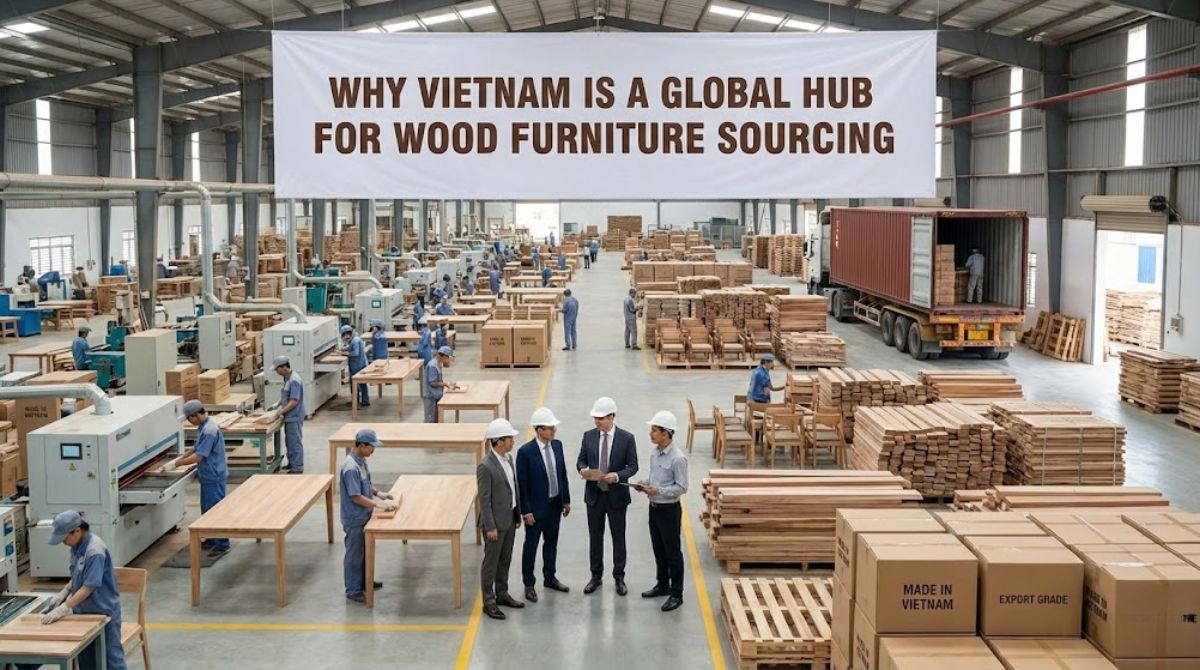
Over the past two decades, Vietnam has transformed into one of the top wood furniture exporting countries worldwide. The industry’s growth is driven by a unique combination of structural advantages that few sourcing destinations can match.
Strategic Manufacturing Advantages
Vietnam offers:
- A skilled woodworking labor force with decades of export experience
- Advanced machinery and semi-automated production lines
- Competitive production costs without compromising quality
- Strong government oversight of timber legality and export compliance
Unlike emerging markets that rely heavily on manual processes, Vietnam’s wood furniture manufacturers have steadily invested in CNC cutting, kiln drying systems, finishing lines, and quality control technologies.
Strong Export Ecosystem
Vietnam’s furniture industry is export-oriented by design. Manufacturers are deeply familiar with:
- International packaging standards
- Shipping documentation
- Customs clearance procedures
- Compliance requirements for the US, EU, UK, Australia, and Japan
This makes sourcing wood furniture from Vietnam significantly smoother for overseas buyers compared to less mature markets.
Complete Sourcing Process From Inquiry to Shipment
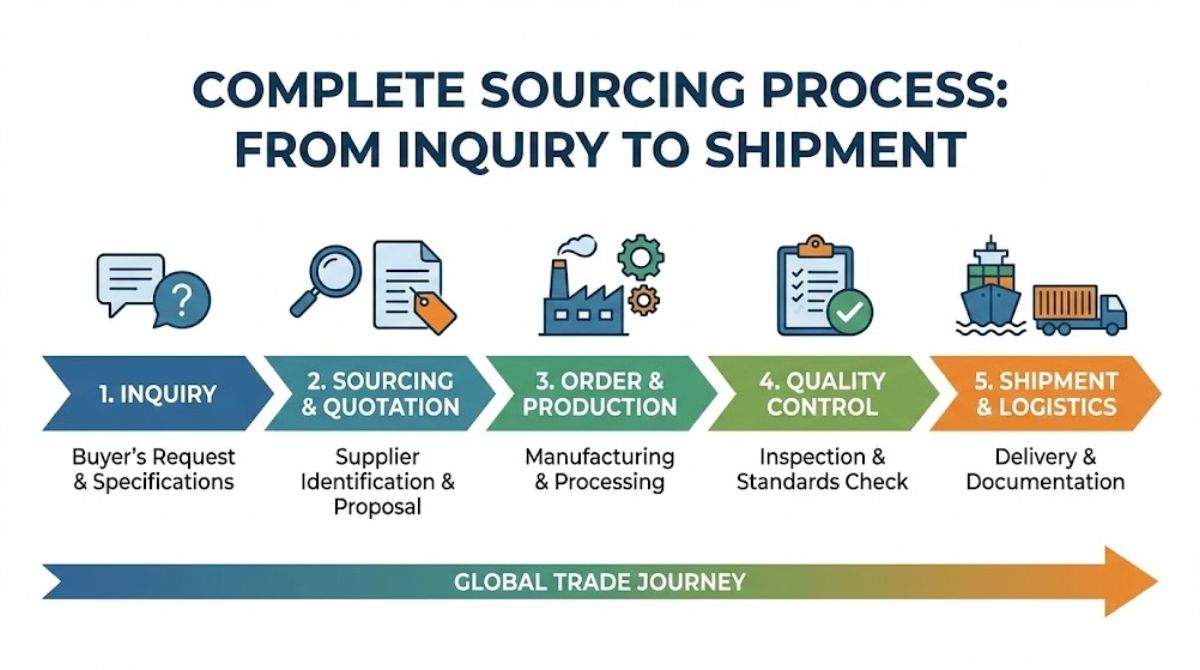
Successful sourcing of wood furniture from Vietnam requires a structured approach. Below is how professional buyers typically work with reliable factories.
Step 1: Defining Product Specifications
Before contacting a factory, buyers should clarify:
- Product type (indoor, outdoor, commercial, residential)
- Wood species (rubberwood, acacia, oak, ash, plywood, MDF)
- Construction method and load requirements
- Finish type (NC, PU, water-based, oil)
- Target market compliance
Clear specifications reduce development time and prevent misunderstandings.
Step 2: Factory Evaluation & Certification Check
A professional manufacturer should provide:
- Business registration and export license
- Factory audit readiness
- Wood legality documentation
- FSC CoC certification (if required)
Factories that cannot clearly explain their material sourcing or certification status pose long-term risks.
Step 3: Sampling & Prototyping
Reputable factories invest heavily in:
- Engineering drawings
- Sample development
- Structural testing
- Finish approval
This stage ensures the final product meets both aesthetic and functional expectations.
Step 4: Mass Production & Quality Control
Production is typically monitored through:
- Incoming material inspection
- In-process QC checks
- Final inspection before packing
Professional factories allow third-party inspections or buyer-appointed QC teams.
Step 5: Packaging & Logistics
Vietnamese manufacturers are experienced in:
- Flat-pack and knock-down designs
- Export-grade carton standards
- Container optimization
- FOB, CIF, or DDP shipping terms
Legal Wood Sourcing and FSC CoC Guide for Buyers
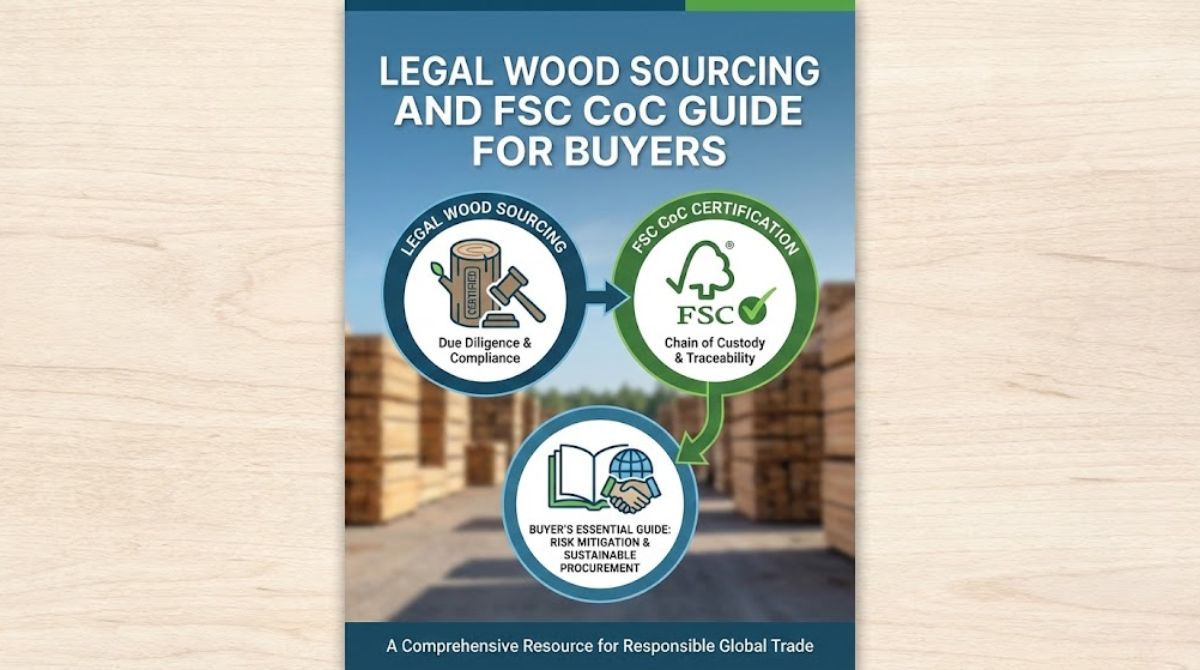
One of the biggest concerns when sourcing wood furniture from Vietnam is wood legality and traceability. Global regulations are becoming stricter, and buyers must ensure full compliance.
Why Legal Wood Matters
Illegal or untraceable wood can lead to:
- Customs seizures
- Heavy fines
- Brand reputation damage
- Loss of market access
Major markets such as the EU and US require strict due diligence under regulations like EUTR and Lacey Act.
FSC CoC Certification Explained
FSC Chain of Custody (CoC) certification ensures that wood materials are:
- Responsibly sourced
- Fully traceable from forest to finished product
- Separated from non-certified materials during production
This certification is not just a logo it reflects a manufacturer’s entire internal control system.
Viet Aquatic Woods – A Certified & Trusted Factory Partner
When sourcing wood furniture from Vietnam, working with a certified manufacturer is a strategic decision. Viet Aquatic Woods is a direct wood furniture factory that meets international expectations for legality, quality, and transparency.
FSC CoC Certified Manufacturing
Thanh Tung Thinh holds FSC Chain of Custody (CoC) certification, ensuring:
- All FSC-certified products use legally sourced wood
- Full traceability throughout the production process
- Compliance with international sustainability standards
This gives buyers confidence that products are safe, legal, and suitable for regulated markets.
See more: FSC CoC Certified Wood Manufacturer – 100% Legal & Traceable
Transparent Material Sourcing
The factory works with:
- Approved timber suppliers
- Clearly documented wood origins
- Internal tracking systems separating certified and non-certified materials
This level of transparency is essential for brands that prioritize sustainability and compliance.
OEM/ODM Capabilities for International Buyers
Beyond compliance, Thanh Tung Thinh supports both OEM and ODM wood furniture sourcing, allowing buyers to build differentiated product lines.
Custom Design & Engineering
Services include:
- Design development based on buyer concepts
- Structural optimization for durability and cost efficiency
- Finish matching for different market preferences
Whether buyers bring drawings or just ideas, the factory provides practical engineering solutions.
Flexible Production Capacity
Thanh Tung Thinh supports:
- Medium to large volume orders
- Stable lead times
- Repeatable quality across batches
This makes the factory suitable for long-term sourcing partnerships rather than one-off projects.
Quality Control Systems That Protect Buyers
Quality issues are one of the biggest risks in overseas sourcing. Professional factories implement layered quality control processes.
Multi-Stage Quality Assurance
At Thanh Tung Thinh, quality control includes:
- Incoming wood inspection
- Moisture content control
- Assembly accuracy checks
- Surface finish inspection
- Final product verification before packing
Buyers can also arrange third-party inspections for added assurance.
Common Risks When Sourcing Wood Furniture from Vietnam
While Vietnam offers many advantages, buyers should be aware of potential pitfalls.
Choosing Traders Instead of Factories
Some suppliers present themselves as manufacturers but are actually trading companies. This can lead to:
- Inconsistent quality
- Limited control over production
- Communication delays
Working directly with a factory like Thanh Tung Thinh eliminates these risks.
Ignoring Certification Verification
Not all factories claiming sustainability are certified. Buyers should always:
- Verify FSC CoC certificate numbers
- Request scope details
- Confirm product eligibility
Why Long-Term Buyers Choose Vietnam for Wood Furniture Sourcing
Vietnam is no longer just a low-cost option. It is a strategic sourcing destination for buyers who value:
- Consistent quality
- Legal and sustainable wood
- Scalable production
- Reliable factory partnerships
By working with a certified manufacturer like Thanh Tung Thinh, buyers reduce risk while strengthening their supply chain.
Conclusion
Sourcing wood furniture from Vietnam can be a powerful growth strategy when done correctly. The key is choosing a factory partner that combines manufacturing capability, certification, transparency, and experience.
With FSC CoC certification, robust quality control, and flexible OEM/ODM services, Viet Aquatic Woods provides international buyers with a reliable, compliant, and professional manufacturing solution — ensuring every product is produced legally, safely, and responsibly.
