
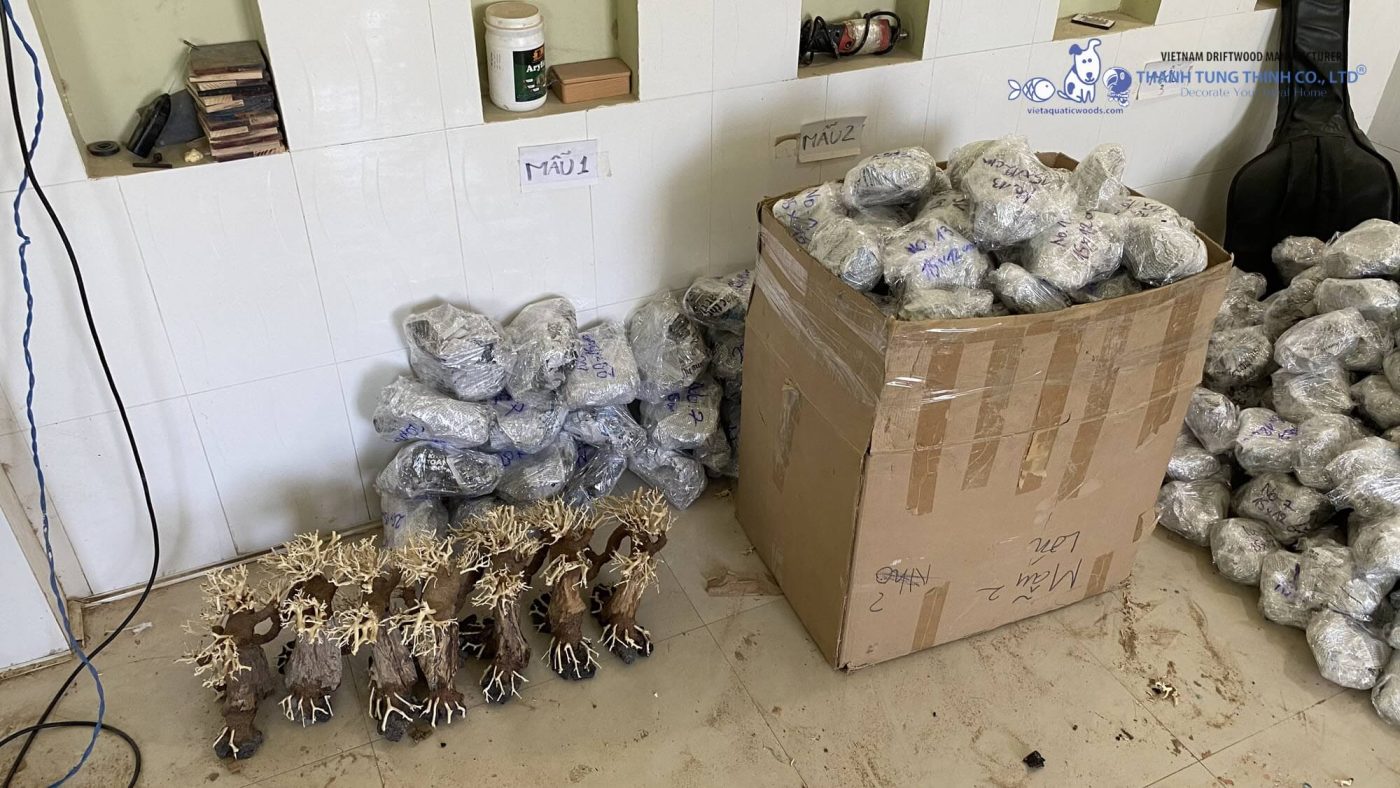
Aquarium bonsai trees have become a standout element in the global aquascaping market, combining natural aesthetics with high retail value. For wholesale buyers and B2B importers, understanding how to source, export, and profit from these handcrafted pieces is key to staying ahead. This guide provides expert advice on selecting, shipping, and collaborating with trustworthy suppliers for effective global distribution.
Table of Contents
I. Understanding the Global Demand for Aquarium Bonsai Trees
As the aquarium hobby evolves, so does the demand for natural, artistic elements that enhance underwater design. Aquarium bonsai trees have emerged as a top choice for retailers and hobbyists alike, blending aesthetic appeal with practical value in aquascaping layouts.
Why Aquarium Bonsai Trees Are in High Demand Worldwide
The global interest in aquarium bonsai trees has soared alongside the rise of aquascaping, a popular hobby that blends gardening, aquarium keeping, and interior design. These handcrafted driftwood pieces mimic miniature bonsai trees, bringing structure and elegance to both planted and nano tanks.

Their artistic appearance and compatibility with aquatic mosses and plants make them a favorite among aquarists seeking unique, natural setups. As such, they’re now a high-margin product for pet shops, aquascaping suppliers, and online retailers catering to aquascapers around the world.
Key Regions Driving Demand for Aquarium Bonsai Trees
The market for aquarium bonsai driftwood has expanded rapidly across multiple regions, with distinct purchasing behaviors emerging in each.
North America:
The U.S. and Canada are major importers of aquascaping materials. Aquarium bonsai trees for sale in these markets often emphasize craftsmanship, durability, and ease of setup. Many retailers are seeking wholesale suppliers to meet rising demand.
Europe:
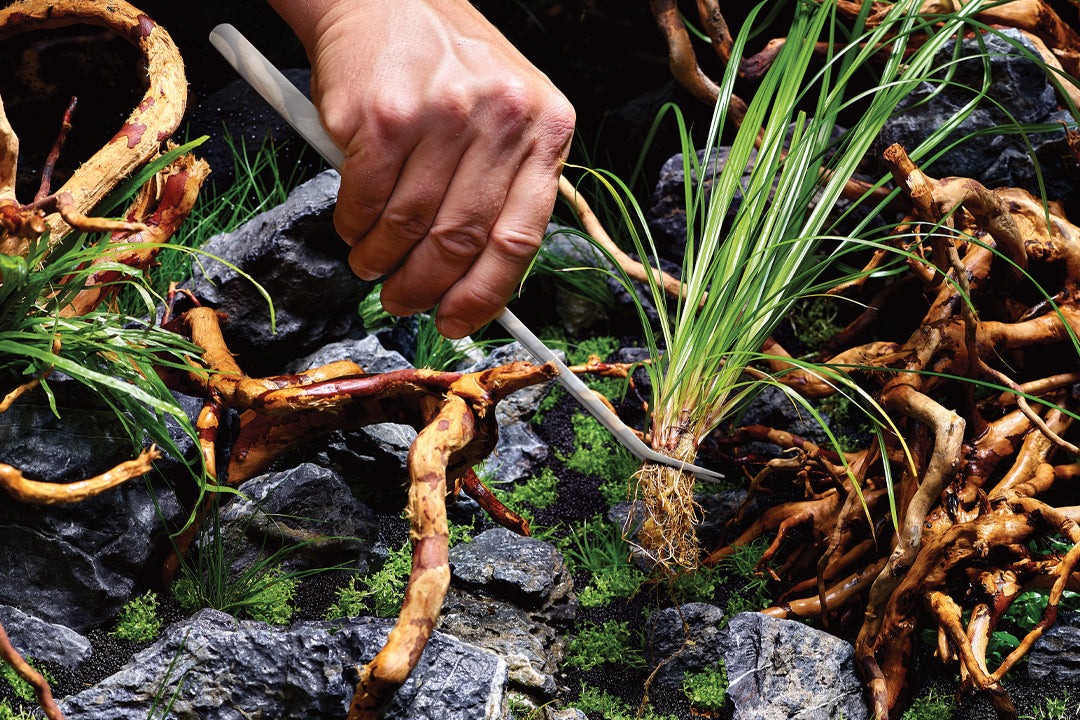
Eco-conscious consumers in countries like Germany, the Netherlands, and France are drawn to sustainable, handmade aquascaping products. Bonsai driftwood for aquariums made from ethically sourced driftwood is particularly popular.
Asia-Pacific:
In aquascaping-strong countries like Japan and South Korea, there’s a deep appreciation for miniature design aesthetics. The popularity of bonsai driftwood aquarium layouts aligns well with cultural design values and growing interest among younger aquascapers.

Middle East:
As the ornamental fish and aquarium industries grow in the Gulf region, demand is increasing for distinctive decor items like aquarium bonsai trees. The luxury aquascaping market presents strong export opportunities for high-quality, artistic wood pieces.
For wholesale buyers, these regions represent ripe markets for expansion, especially with the right product variety, customization options, and competitive pricing. Businesses that position themselves early with the best aquarium bonsai trees can tap into a niche with strong growth potential.
Read more: Custom Bonsai Driftwood: A Profitable Niche for Wholesale Aquascaping Retailers
II. Exporting Aquarium Bonsai Trees: Key Considerations for Wholesale Buyers
Exporting bonsai trees aquarium requires careful planning and compliance with international trade standards. Below are critical factors to consider when sourcing and distributing these sought-after decorative items.
1. Criteria for Selecting Top-Tier Aquarium Bonsai Trees
Not all bonsai driftwood aquarium pieces are created equal. Wholesale buyers should evaluate:
- Craftsmanship and detailing: Look for trees with precise, naturalistic shaping that closely mimic real bonsai trees underwater.
- Wood type and quality: Hardwoods like Sanda driftwood or slight driftwood with dense structure are more durable and water-resistant.
- Compatibility with aquatic mosses: Ensure the surface is textured enough to allow mosses and plants to attach.
- Size variety: A reliable supplier should offer multiple size options, from nano to large, to suit different tank sizes.

Buyers searching for the best aquarium bonsai trees should request samples and inspect product photos or videos when ordering in bulk.
2. Essential Export/Import Permits and Certifications
International trade of aquarium bonsai trees for sale requires full compliance with both exporting and importing country regulations. Wholesale buyers must ensure that suppliers can provide:
- Phytosanitary certificates (if applicable): To confirm the wood has been treated and is pest-free.
- Certificate of Origin: For customs clearance and tariff categorization.
- Material safety documentation: Especially if the wood is treated or preserved in any way.
- Fumigation or heat treatment proof: As required in markets like Australia or the EU.

Importers should also check regional import rules, such as CITES restrictions, fumigation laws, or wood material bans, to avoid delays or fines.
3. The Importance of Sustainable and Ethical Sourcing
Modern buyers, especially in North America and Europe, prefer ethically sourced aquarium decor. When choosing your supplier, ask about:
- Sustainable harvesting: Whether the driftwood is collected without harming forests or aquatic ecosystems.
- Artisan production: Handcrafted bonsai driftwood supports skilled labor rather than mass production.
- Eco-friendly processing: No chemical coatings or harmful treatments that could damage aquariums.

Eco-conscious sourcing not only protects the environment but also enhances your brand reputation with retailers and end consumers.
4. Packaging and Shipping Best Practices for Aquarium Bonsai Trees
Aquarium bonsai trees are fragile and intricately shaped, requiring thoughtful packaging:
- Use of custom foam or padding: To secure the branches and prevent breakage during transit.
- Moisture control: Especially if the wood is freshly treated or still slightly damp to avoid mold.
- Labeling and documentation: Clear labeling for customs, quantity, and handling instructions.

For international shipping:
- Choose exporters experienced with LCL/FCL freight, air cargo, or e-commerce shipping models.
- Work with those who offer tracking, export insurance, and post-shipment support.
Proper logistics and packaging reduce returns and ensure customer satisfaction at every stage.
Read more: Top Exporting Countries for Aquarium Bonsai Driftwood (and Why Vietnam Leads)
III. How to Select Aquarium Bonsai Driftwood That Sells Well in Global Markets
Selecting the right aquarium bonsai trees is crucial for wholesale buyers aiming to meet international demand and drive consistent sales. Understanding market preferences and bundling products effectively can help you stay ahead in this competitive aquascaping segment.
Popular Styles and Sizes for Export
Bonsai driftwood comes in a variety of designs that appeal to different market segments. Some of the most in-demand styles include:
- Basic bonsai driftwood: Minimalist and affordable, perfect for entry-level hobbyists or nano tanks.
- Curved bonsai driftwood: Features graceful, natural-looking bends that enhance depth and realism in aquascapes.
- Complex bonsai driftwood: Intricate structures with multiple branches, ideal for advanced layouts and larger tanks.
- Custom bonsai driftwood: Tailored to client specifications, offering flexibility for retailers targeting niche buyers or high-end customers.

Each market responds differently to product complexity and size. For instance, North American buyers may prefer large and elaborate trees for centerpiece aquascapes, while Asian and European markets might lean toward refined, medium-sized trees for balanced layouts.
Matching your product range to regional preferences ensures higher sell-through rates and customer satisfaction.
Pairing Aquarium Bonsai Trees with Complementary Products
Offering aquarium driftwood bonsai alongside compatible aquascaping elements can significantly boost your revenue through cross-selling opportunities. Consider bundling them with:
- Aquatic mosses and plants like Java moss, Anubias, or Bucephalandra, which naturally cling to bonsai structures and enhance realism.
- Hardscape materials, such as Seiryu stones, lava rocks, or sand substrates that complete a natural underwater scene.
- Tank decor kits that combine driftwood, plants, and lighting for ready-made aquascaping solutions.

Retailers can also educate buyers with styling guides or sample layouts to inspire purchases and maximize the perceived value of bundled products.
By choosing the right styles, sizes, and pairing strategies, wholesale buyers can ensure their aquarium bonsai tree inventory aligns with global trends and consumer expectations.
Read more: Large Bonsai Driftwood for Aquarium Centerpieces: How to Pick the Best One
IV. Addressing Hurdles in the Aquarium Bonsai Trees Export Process
Exporting aquarium bonsai trees can open up valuable opportunities in global markets, but it also comes with logistical and regulatory challenges. For wholesale buyers and distributors, understanding these hurdles and preparing effective solutions can prevent costly setbacks and ensure smooth, reliable operations.
Mitigating Risks Related to Product Damage and Delays
Driftwood bonsai is delicate and often handcrafted with intricate shapes, making it vulnerable to breakage or deformation during transit. To reduce risk:
- Use reinforced packaging with moisture-resistant layers and padding to protect against pressure and rough handling.
- Choose experienced logistics partners familiar with handling natural aquascaping products and managing temperature or humidity sensitivities.
- Plan buffer times in your delivery schedule to account for unforeseen transport delays.

Prompt communication with your supplier and real-time tracking solutions also help maintain control over international shipments.
Handling Customs Issues and Unexpected Regulations
Different countries have varying import regulations concerning natural wood, even when treated and prepared for aquariums. Common issues include:
- Delays due to missing phytosanitary certificates or fumigation records.
- Inspections for invasive species, mold, or pest contamination.
- Bans on untreated or non-compliant wooden goods.

To avoid clearance problems, ensure your supplier provides complete documentation, including country-specific permits, certificates of origin, and compliance with CITES or regional wood regulations. A proactive exporter will typically stay updated on regulation changes and assist you with smooth customs clearance.
Addressing Cost Volatility
Cost volatility is another significant challenge in the bonsai driftwood export business. Export costs for this product can fluctuate due to:
- Rising shipping fees, especially for bulky or irregular-shaped items
- Raw material price changes, especially for sustainable wood
- Currency exchange risks, particularly in long-term contracts

These variations can impact profit margins, especially for long-term contracts or bulk orders. To protect margins, buyers should:
- Negotiate fixed-price terms when possible for bulk orders
- Opt for suppliers offering transparent pricing structures with cost breakdowns
- Work with exporters who can scale production efficiently, minimizing labor and overhead fluctuations
By proactively addressing these common obstacles, wholesale buyers can build a more resilient and profitable supply chain for aquarium bonsai trees, ensuring smoother delivery and stronger relationships with retail clients worldwide.
Read more: Bonsai Driftwood Wholesale: What Retailers Should Know Before Buying in Bulk
V. Partnering with Thanh Tung Thinh: Your Trusted Source for Exporting Bonsai Driftwood
For wholesale buyers and global distributors seeking a reliable source of aquarium bonsai trees, Thanh Tung Thinh offers a combination of quality, consistency, and proven export capabilities. With over a decade of experience in the wooden product industry, we have become a preferred partner for B2B partners worldwide.
Proven Track Record in Supplying Aquarium Bonsai Trees for Global Buyers
Thanh Tung Thinh is a Vietnam-based manufacturer with over 14 years of experience in exporting wooden products, including natural driftwood and decorative bonsai trees tailored for aquascaping.

Our international reputation is built on delivering consistent quality, timely shipments, and personalized service to meet the exact needs of aquarium retailers, pet supply chains, and aquascaping wholesalers.
Value-Added Services for International Wholesale Partners
At Thanh Tung Thinh, we go beyond just supplying bonsai driftwood for aquariums; we provide tailored solutions to meet the diverse needs of wholesale buyers around the world. Our value-added services include:
- Custom designs: Create exclusive styles and shapes to suit your target market.
- Private label options: Add your brand name and packaging for a unique retail presence.
- Low minimum order quantities (MOQs): Ideal for small to medium businesses testing new product lines.
- Flexible pricing: Competitive rates designed to support long-term partnerships.
- Logistics support: Assistance with shipping coordination, export paperwork, and international freight.

These services ensure that our B2B partners receive not only premium products but also the flexibility and efficiency needed to succeed in today’s global aquascaping market.
Commitment to Sustainable and Responsible Production
Sustainability is at the heart of our production process. All our driftwood bonsai is made from responsibly sourced natural driftwood, including reclaimed and ethically harvested materials.
Each piece is handcrafted by skilled artisans, ensuring that no two products are exactly alike, perfect for brands looking to offer unique, eco-conscious aquascaping items. Strict quality control measures are in place at every stage of production, guaranteeing that each item is durable, safe for aquatic life, and ready for export.

By choosing Thanh Tung Thinh as your export partner, you gain access to high-quality aquarium bonsai trees, excellent B2B support, and a long-term supplier committed to helping your business grow in the competitive global aquascaping market.
Read more: Bonsai Driftwood Manufacturer – Direct Wholesale Supplier from Vietnam
VI. Tips for Wholesale Success with Aquarium Bonsai Trees
To succeed in the global market for aquarium bonsai driftwood, wholesale buyers need to build a strategy that aligns with market demand, supply reliability, and long-term growth. Here are essential tips to help you maximize profitability and consistency in this fast-growing category.
Building a Competitive Product Range
Having a diverse and well-curated selection is key to staying competitive in the aquascaping space. Retailers and distributors increasingly look for unique shapes, styles, and sizes to suit different aquarium designs and customer preferences.

- Offer variety: Include basic, curved, and complex designs, as well as custom pieces that stand out in the market. Each type serves a different buyer profile, from casual hobbyists to advanced aquascapers.
- Maintain stock consistency: Work closely with your supplier to ensure your inventory is regularly replenished with best-selling designs. A reliable supply chain helps you avoid backorders and keep your product line attractive and available.
A strong product assortment gives your business the flexibility to serve diverse markets while also appealing to new trends in aquascaping, such as nature-style and Iwagumi layouts.
Developing Strong Supplier Relationships
Wholesale success depends heavily on the strength of your supply chain. Building long-term relationships with dependable manufacturers is not just about securing better prices, but it’s also about ensuring product quality, delivery speed, and market responsiveness.

- Long-term partnerships bring stability and trust, making it easier to plan inventory, negotiate better terms, and receive consistent quality over time.
- Experienced exporters, like Thanh Tung Thinh, understand international compliance, packaging standards, and the nuances of each target market. Their insight reduces risk and streamlines operations, especially when expanding into new regions.
Choosing the right supplier can ultimately save time, lower costs, and provide a competitive edge, particularly in a niche market like aquarium bonsai trees, where craftsmanship, quality, and uniqueness matter most.
VII. Conclusion
Aquarium bonsai trees are gaining strong traction in global markets thanks to their natural beauty and versatility in aquascaping. For B2B buyers, they offer a high-demand, high-margin product ideal for expanding into the planted tank and aquascape retail space.
To ensure long-term success, partner with experienced and trusted suppliers like Thanh Tung Thinh. With over 14 years of export expertise, custom design capabilities, and a commitment to sustainable production, we’re ready to support your wholesale goals with high-quality products and reliable service.
Contact us today to start your wholesale journey with aquarium bonsai trees that sell.
📞 Whatsapp: +84 96 394 91 78
🌐 Website: https://vietaquaticwoods.com/
📌 Pinterest: https://www.pinterest.com/vietaquaticwoods/
📧 Email: [email protected]
