
Table of Contents
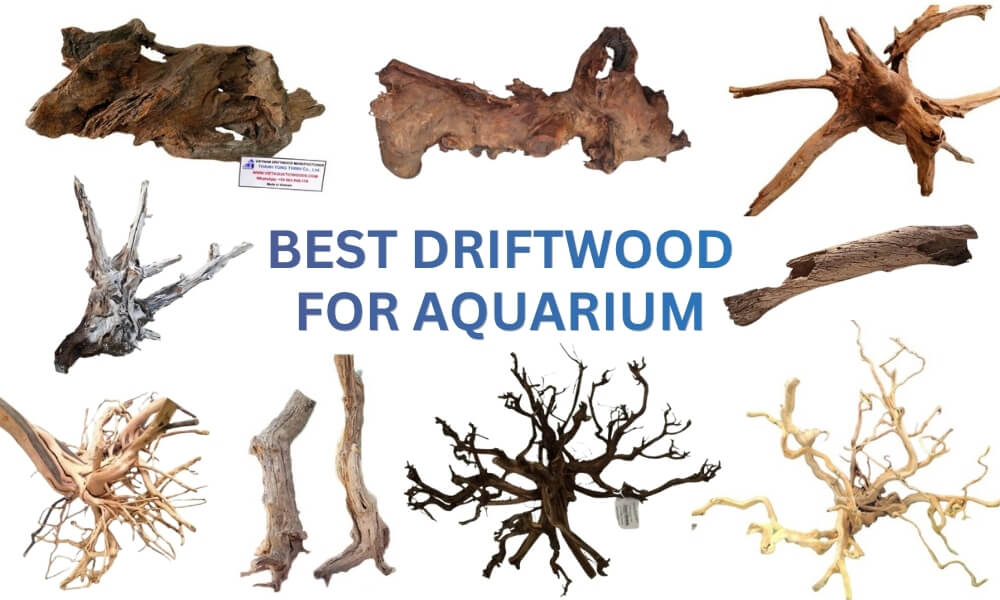
Choosing the best driftwood for aquarium setups is one of the most important decisions in aquascaping. The wrong wood can release excessive tannins, grow persistent biofilm, or simply fail to deliver the visual impact you’re aiming for. On the other hand, the right driftwood can transform your tank into a natural ecosystem that looks both professional and biologically balanced.
In this guide, we break down 13 of the most effective driftwood types based on real-world usage, aquascaping performance, and long-term durability. Each option is evaluated across key criteria including aesthetic value, aquarium safety, structural integrity, and ease of preparation. Whether you’re building a shrimp tank, a nature-style aquascape, or a large display aquarium, this list will help you choose with confidence.
A quick comparison of the 13 most popular types of driftwood for aquariums in 2026
| Driftwood Type | Key Strength | Best For | Price Tier |
| Brown Core Woods | Dense & premium look | Professional aquascapes | High |
| Com Nguoi Woods | Root-like structure | Shrimp tanks | Medium |
| Dodo Woods | Lightweight & affordable | Beginners | Low |
| Do Quyen Woods | Bonsai-style | Artistic layouts | High |
| Linh Sam Woods | Balanced performance | All-purpose | High |
| Kimchi Woods | Compact size | Nano tanks | Low |
| Thanh Lieu Woods | Long branches | Large tanks | Medium |
| Twisted Vines | Dramatic shapes | Display tanks | High |
| Sam Woods | Easy to use | Beginners | Medium |
| Sa Tung Woods | Ultra durable | Long-term setups | High |
| Slight Woods | Lightweight | Temporary layouts | Low |
| Sanda Woods | Thick trunk | Cichlid tanks | Medium |
| Sansan Woods | Minimalist | Modern aquascapes | Medium |
Top 13 Best Driftwood for Aquarium (Detailed Reviews)
Brown Core Woods
Brown Core Woods are a premium option for aquarists who prioritize durability and visual depth, making them a strong candidate when evaluating the best driftwood for aquarium setups. Their dense hardwood structure allows them to sink quickly and remain stable over time, making them ideal for long-term aquarium use. The deep brown coloration enhances contrast within planted tanks and helps create a natural, mature aquascape. In real aquascaping environments, this type performs especially well in nature-style layouts where stability and color richness are essential.
The main drawback of Brown Core Woods is their higher price point, which may not be suitable for beginners or budget setups. Their heavier weight also makes repositioning more difficult once the layout is established. Although tannin release is relatively low, some initial water tinting can still occur and should be monitored during early setup stages. Additionally, sourcing consistent shapes for bulk orders can sometimes be more challenging.

Com Nguoi Woods
Com Nguoi Woods are highly valued for their root-like structure, making them one of the most effective choices when selecting the best driftwood for aquarium setups, especially for shrimp tanks and biologically active environments. Their complex branching provides a large surface area for biofilm growth, which supports shrimp feeding and contributes to a healthy ecosystem. This type of driftwood also creates natural hiding spaces, helping reduce stress for small fish and invertebrates. In practical use, it works exceptionally well in nano and shrimp-focused aquascapes where biological interaction is a priority.
However, the intricate structure can trap debris, requiring more thorough cleaning before and after installation. Maintenance can become slightly more demanding over time, especially in tanks with high organic load. Some pieces may also require soaking to ensure they remain fully submerged. Additionally, the irregular shapes can make initial placement more time-consuming, particularly when aiming to position them as part of a premium best driftwood for aquarium layout strategy.

Dodo Woods
Dodo Woods are a cost-effective solution for beginners who want a simple and accessible entry into aquascaping. Their lightweight nature allows for easy positioning and quick adjustments, making them ideal for testing layouts. They are widely available and work well in smaller tanks or temporary setups. In beginner environments, they provide a practical balance between affordability and functionality.
The downside is that Dodo Woods are less durable than denser hardwood options and may degrade over time. They also tend to float initially, requiring longer soaking periods before use. Their visual structure is relatively simple, which limits their effectiveness in more advanced aquascaping designs. Over time, users may need to upgrade to higher-quality wood for better performance.

Do Quyen Woods
Do Quyen Woods are known for their bonsai-like appearance, making them a preferred choice for artistic aquascaping. Their branching structure resembles miniature trees, allowing aquarists to create highly detailed and visually striking layouts. These woods are often used as centerpiece elements in competition-level aquascapes. In real setups, they provide strong visual identity and elevate the overall design quality.
However, Do Quyen Woods are less common and often come at a premium price. Their complex shapes require careful planning during placement to maintain balance in the layout. They may also demand a higher level of aquascaping experience to fully utilize their potential. In some cases, inconsistent shapes can make sourcing for bulk use more difficult.

Linh Sam Woods (Best Overall)
Linh Sam Woods are widely regarded as one of the best driftwood for aquarium options due to their balance of durability, flexibility, and aesthetic value. Their twisted branches create dynamic movement, making them ideal for nature-style aquascapes. The wood is dense enough to remain stable while still offering versatility in placement. In real-world usage, it performs consistently across planted tanks, shrimp setups, and large aquariums.
Their main limitation is moderate tannin release during initial setup, which can slightly darken the water. While this is generally beneficial, it may not suit all aesthetic preferences. Premium-grade pieces can also be more expensive, especially for larger tanks. Careful selection is required to ensure the shape fits the intended design.

Kimchi Woods
Kimchi Woods are compact and efficient, making them ideal for nano aquariums. Their small size allows for easy placement and quick setup, especially in limited spaces. They integrate well into minimalist layouts and require minimal preparation. In practice, they are a convenient option for beginners working with small tanks.
However, their limited size reduces their visual impact in larger aquariums. The structure is relatively simple, which restricts creative design possibilities. Some pieces may float initially and require soaking. Over time, their simplicity may not meet the needs of more advanced aquascaping projects.

Thanh Lieu Woods
Thanh Lieu Woods are effective for creating flow and direction in larger aquariums. Their elongated branches help guide visual movement and add depth to the layout. They are well-suited for medium to large tanks where composition and perspective are important. In real aquascapes, they enhance both horizontal and vertical structure.
Their directional shape requires careful planning to avoid imbalance in the layout. They can take up more space, limiting flexibility in smaller tanks. Some pieces may require soaking before fully sinking. Incorrect placement can make the design feel unnatural.

Twisted Vines
Twisted Vines offer dramatic shapes that instantly create a focal point in any aquarium. Their intertwined structure adds complexity and depth, making them ideal for display tanks. They work well as centerpiece elements and require minimal additional decoration. In practice, they are highly effective in premium aquascaping layouts.
However, their complexity makes them harder to position, especially for beginners. They can trap debris and require more maintenance. Their unique shapes often come at a higher price. In smaller tanks, they may dominate the layout visually.

Sam Woods (Best for Beginners)
Sam Woods provide a reliable balance between affordability and ease of use, making them an excellent entry-level option when exploring the best driftwood for aquarium for beginner-friendly setups. Their moderate density allows them to sink quickly, reducing preparation time and simplifying the initial setup process. They are easy to work with and integrate well into most basic aquascaping layouts without requiring advanced design skills. In real usage, they deliver consistent performance and stability, making them a dependable choice for new aquarists.
Their limitation lies in their relatively simple appearance, which may not appeal to advanced aquascapers seeking more artistic or intricate designs. They lack the unique structure and visual complexity found in premium driftwood types often associated with the best driftwood for aquarium category. Durability is moderate compared to denser hardwood options used in long-term setups. Over time, users may look to upgrade to more visually striking materials as their aquascaping skills evolve.

Sa Tung Woods
Sa Tung Woods are highly durable and ideal for long-term aquarium setups. Their dense structure resists decomposition and provides excellent stability. They perform well in demanding environments, including tanks with strong flow. In practice, they are a reliable choice for permanent installations.
Their weight makes them difficult to reposition once placed. The structure is less intricate, limiting artistic applications. They are typically more expensive due to durability. Installation may require more effort compared to lighter wood types.

Slight Woods
Slight Woods are lightweight and suitable for temporary or experimental aquascapes. They allow for easy repositioning and quick adjustments. Their affordability makes them accessible for beginners. In smaller tanks, they provide a simple visual effect.
However, they are less durable and prone to degradation over time. They often require soaking to prevent floating. Their aesthetic is basic compared to premium driftwood. They are not ideal for long-term setups.

Sanda Woods
Sanda Woods are strong and stable, making them suitable for tanks with larger fish. Their thick structure provides durability and resistance to movement. They serve as solid visual anchors within the aquascape. In active tanks, they perform reliably.
Their bulky form limits flexibility in smaller layouts. They may dominate the visual composition if not balanced. Installation can be challenging due to weight. They lack fine detail for artistic designs.

Sansan Woods
Sansan Woods are ideal for minimalist aquascapes with clean and simple design. They complement plant-focused layouts without overwhelming the tank. Their balanced proportions make them easy to integrate. In modern setups, they provide subtle structure.
Their simplicity reduces their effectiveness as focal points. They lack intricate branching for complex designs. In larger tanks, they may appear less impactful. They are best suited for minimalistic styles.

How to Choose the Best Driftwood for Aquarium
Selecting the right driftwood is not just about appearance – it directly affects your aquarium’s stability, aesthetics, and long-term maintenance. A well-chosen piece can enhance your aquascape while supporting a healthy ecosystem, whereas the wrong choice may lead to unnecessary preparation time or design limitations.
Start by evaluating your tank size and layout goals, as larger aquariums benefit from branching or elongated driftwood that creates depth and movement, while smaller tanks require compact pieces to maintain balance. Next, consider your fish species and ecosystem needs, since shrimp, betta, and cichlids all interact differently with wood structures and may require specific types for shelter or territory. Your aquascaping style also plays a critical role, whether you prefer a natural, jungle-like layout or a clean, minimalist design. Finally, factor in preparation and maintenance requirements, as some driftwood types require soaking or boiling before use.
In general, denser hardwood driftwood offers superior long-term durability and stability, making it ideal for permanent setups. Lighter wood, while easier to handle and reposition, is better suited for temporary layouts or beginner experimentation.
FAQ: Common Questions About Aquarium Driftwood
What is the best driftwood for aquariums?
The Best Driftwood for Aquarium ultimately depends on your specific goals, but Linh Sam Woods stand out as the most balanced option due to their combination of durability, visual appeal, and versatility across different aquascaping styles.
Does driftwood affect aquarium water chemistry?
Yes, driftwood naturally releases tannins, which can slightly lower pH and soften the water. This is generally beneficial for many freshwater species, although it may tint the water during the initial setup phase.
How long should driftwood be soaked before use?
Most driftwood should be soaked for 3 to 14 days, depending on its density. Denser hardwoods typically require less time, while lighter woods may need extended soaking to fully submerge.
Final Recommendation & Next Steps
For importers, distributors, and retail buyers, selecting the right driftwood is not only about aesthetics but also about supply reliability, consistency, and long-term product performance. Among the options reviewed, Linh Sam Woods stand out as a strong all-around solution, offering a balance of visual appeal, structural durability, and adaptability across multiple aquascaping applications. For entry-level product lines or price-sensitive segments, Sam Woods provide a practical alternative with stable quality and easier handling, making them suitable for scaling entry-tier SKUs.
To remain competitive in today’s market, businesses should prioritize sourcing partners who can deliver consistent quality, scalable production capacity, and transparent material standards. This ensures not only better product performance but also stronger brand positioning in increasingly quality-driven markets such as the US and EU.
Partner with a Reliable Driftwood Manufacturer
For retailers, wholesalers, and aquarium brands looking to secure high-quality driftwood at scale, working directly with a manufacturer offers clear advantages in pricing, customization, and supply chain stability. Eliminating intermediaries allows for better cost control while ensuring consistent product specifications across bulk orders.
Contact Thanh Tung Thinh today to access factory-direct driftwood, customized dimensions, and scalable wholesale solutions designed to support your long-term business growth.
Read more:
- Why Choose a Driftwood Exporter in Vietnam? Cost, Quality & Supply Advantages for Global Buyers
- Safe Aquarium Driftwood Wholesale | Fully Cured & No Leaching
