
Table of Contents
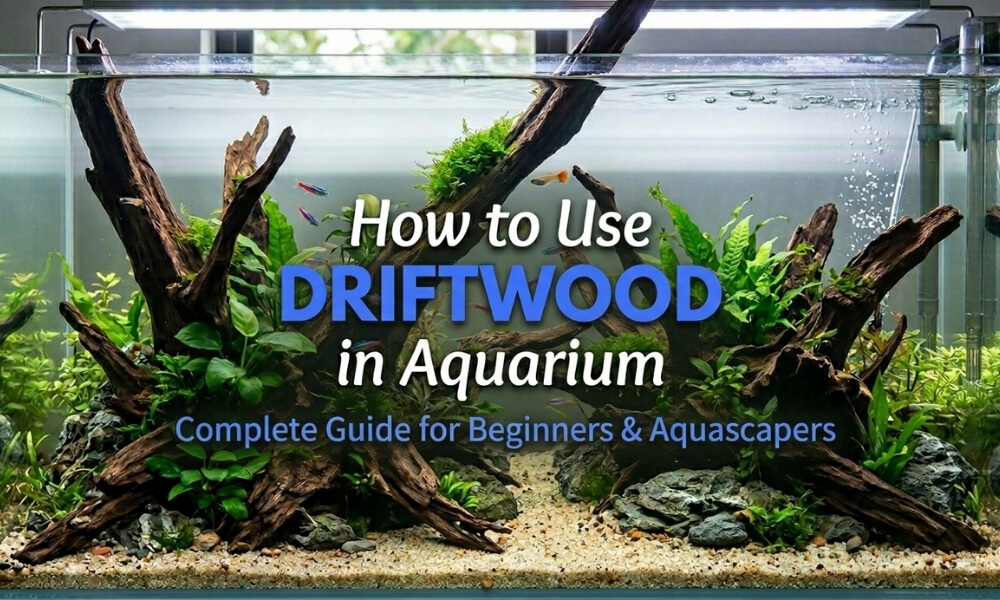
Understanding how to use driftwood in aquarium is essential for building a natural and visually balanced tank. Driftwood not only enhances aesthetics but also supports biological stability by providing shelter and surface for beneficial bacteria. When used correctly, it becomes a core element in both design and ecosystem function.
However, improper use can lead to common issues such as floating wood or water discoloration. This guide explains how to use driftwood in aquarium the right way, covering preparation, placement, and long-term maintenance.
What is driftwood and why is it essential in a modern aquarium?
What defines driftwood in aquarium applications?
Driftwood refers to natural wood that has been shaped and preserved through exposure to water and environmental conditions over time. In aquariums, it is categorized as a core hardscape material that provides both structure and visual hierarchy. Unlike artificial decorations, driftwood integrates organically into aquatic environments.
Its natural form introduces asymmetry and depth, which are essential elements in professional aquascaping. This makes it particularly valuable for creating layouts that mimic rivers, forests, or submerged landscapes. As a result, driftwood is widely used by both hobbyists and advanced aquascapers.

Why do experienced aquascapers rely heavily on driftwood?
One of the primary reasons is its ability to create shelter and reduce stress for fish. Many species instinctively seek cover, and driftwood provides a natural refuge that enhances their comfort and behavior. This directly contributes to a healthier aquarium ecosystem.
Driftwood also acts as a biological surface where beneficial bacteria can grow and thrive. These bacteria play a key role in breaking down waste and maintaining water quality. In this sense, driftwood contributes not only to aesthetics but also to filtration and stability.
When learning how to use driftwood in aquarium, it is important to view it as both a design and functional component. Ignoring either aspect will limit its effectiveness.

Which types of driftwood are best suited for aquarium use?
Different types of driftwood offer distinct visual and functional characteristics. Choosing the right one depends on your tank size, aquascape style, and livestock requirements. Understanding these differences is critical for achieving the desired result.
Comparison of common driftwood types
| Type of Driftwood | Key Characteristics | Best Use Case |
| Spider Wood | Thin branches, complex shapes | Planted tanks, artistic layouts |
| Mopani Wood | Dense, heavy, rich tannins | Stable structures, blackwater tanks |
| Manzanita | Smooth, minimalistic | Modern aquascapes |
| Bonsai Driftwood | Pre-shaped tree form | High-end display tanks |
Each type brings a different visual language to the aquarium. Selecting the wrong type can disrupt balance and scale, especially in smaller tanks.

See more natural driftwood products:
How should you choose the right driftwood for your setup?
Scale is one of the most overlooked factors when selecting driftwood. A piece that is too large can dominate the tank, while one that is too small may look insignificant. Proportion is essential for visual harmony.
Shape also plays a critical role in guiding the viewer’s eye. Branching structures can create movement, while solid pieces provide stability and grounding. Combining both elements often results in a more balanced composition.
When applying how to use driftwood in aquarium, experienced aquascapers often select wood based on the story they want the tank to tell. This narrative approach leads to more cohesive and visually engaging designs.

How should driftwood be prepared before placing it in an aquarium?
Preparation is one of the most critical steps in the entire process. Skipping or rushing this phase often leads to avoidable problems that can affect both water quality and fish health. Proper preparation ensures stability from day one.
Why is cleaning and soaking driftwood necessary?
Raw driftwood often contains dirt, dust, and organic residue that must be removed before use. Cleaning helps eliminate these impurities and prepares the surface for safe aquarium integration. It also reduces the risk of contamination.
Soaking is equally important because it allows the wood to absorb water and sink naturally. Without this step, driftwood tends to float and disrupt the layout. This is one of the most common issues faced by beginners.
In the context of how to use driftwood in aquarium, preparation is not optional but foundational. It directly impacts both functionality and aesthetics.

How long should driftwood be soaked before use?
The soaking duration depends largely on the size and density of the wood. Smaller pieces may require only a few days, while larger or denser wood can take several weeks. Patience during this stage prevents future complications.
Regular water changes during soaking help remove tannins and impurities more efficiently. This process also stabilizes the wood before it enters the aquarium environment. Consistency is more important than speed.
Understanding this timeline is a key part of mastering how to use driftwood in aquarium effectively. Rushing this step often leads to long-term maintenance issues.
How do you position driftwood for a professional aquascape?
Positioning is where technical knowledge meets artistic vision. The way driftwood is placed determines the overall flow and balance of the aquarium. A well-positioned piece can elevate the entire layout.
What principles guide effective driftwood placement?
The rule of thirds is commonly used to create natural focal points within the tank. Placing driftwood slightly off-center produces a more dynamic and engaging composition. Symmetry should generally be avoided.
Angles and orientation also influence depth perception. Tilting the wood or positioning it diagonally can create a sense of movement and realism. This technique is widely used in professional aquascaping.
When applying how to use driftwood in aquarium, placement should always support both visual balance and fish behavior. These two factors must work together.
How can driftwood be stabilized inside the tank?
Stability is essential to prevent movement that could damage plants or disturb fish. In some cases, driftwood can be anchored using rocks or secured with aquarium-safe adhesives. These methods ensure long-term positioning.
Temporary weighting is another practical solution during the initial setup phase. Once the wood becomes fully waterlogged, it will naturally remain in place. This transition usually occurs over time.
A stable structure is a core requirement when implementing how to use driftwood in aquarium professionally. Without it, even the best design can fail.

How does driftwood affect water chemistry and aquarium conditions?
Driftwood interacts directly with the water environment, making it an active component rather than a passive decoration. Understanding this interaction is essential for maintaining a healthy tank. It also helps you anticipate changes before they become problems.
Key water effects of driftwood
| Effect | Cause | Impact |
| Brown water | Tannins release | Natural, beneficial for some fish |
| Lower pH | Organic acids | Suitable for soft-water species |
| Biofilm formation | Bacterial growth | Temporary and harmless |
These changes are part of the natural behavior of driftwood and should not be seen as defects. In many cases, they are beneficial and even desirable.
Should you be concerned about tannins and pH changes?
Tannins are often misunderstood by beginners, but they are generally harmless and can even improve fish health. Many species thrive in slightly acidic, tannin-rich environments. This mimics their natural habitat.
However, if clear water is preferred, filtration methods such as activated carbon can reduce discoloration. The decision depends on aesthetic preference rather than necessity. Balance is key.
Learning how to use driftwood in aquarium includes understanding and managing these natural processes rather than trying to eliminate them entirely.
What common problems occur when using driftwood and how can they be resolved?
Even with proper preparation, certain issues may still arise. These are typically minor and can be resolved with simple adjustments. Recognizing them early prevents escalation.
Why does driftwood develop white fungus or biofilm?
This is a natural biological reaction that occurs when organic material interacts with water. The white layer is harmless and usually disappears on its own over time. It is often consumed by shrimp or algae-eating fish.
There is no need for aggressive cleaning unless it becomes excessive. In most cases, patience is the best solution. The aquarium will stabilize naturally.

Why does driftwood float or shift after placement?
Floating occurs when the wood has not fully absorbed water. This is common with newly introduced driftwood. Continued soaking or temporary anchoring typically resolves the issue.
Movement can also result from improper positioning or lack of support. Ensuring a stable base prevents disruption to the aquascape. Stability should always be verified after setup.
These challenges are part of the learning curve when mastering how to use driftwood in aquarium. With experience, they become easy to manage.

How can driftwood be maintained for long-term performance?
Maintenance ensures that driftwood continues to function effectively over time. While it requires minimal effort, consistency is important. Neglect can lead to gradual deterioration.
What routine care does driftwood require?
Occasional inspection helps identify early signs of wear or instability. Light cleaning may be necessary if debris accumulates on the surface. This keeps the wood visually clean and structurally sound.
Monitoring water parameters also provides insight into how the driftwood is interacting with the environment. Adjustments can be made if needed. Prevention is always more efficient than correction.

When should driftwood be replaced?
Driftwood is durable but not permanent. Over time, it may soften or begin to break down. This is a natural process that occurs over several years.
Replacement should be considered when structural integrity is compromised. Maintaining quality materials is essential for both aesthetics and safety. Long-term planning is part of professional aquarium management.
What are the most important tips to remember when using driftwood in an aquarium?
When applying how to use driftwood in aquarium, there are several practical principles that can significantly improve both results and long-term stability. These insights are often overlooked by beginners but are consistently used by experienced aquascapers.
- Always prepare driftwood thoroughly before placing it into the tank to prevent contamination and floating issues
- Choose driftwood size and shape that match your aquarium scale to maintain visual balance
- Position driftwood asymmetrically to create a more natural and dynamic layout
- Allow time for the aquarium to stabilize after introducing driftwood, especially regarding tannins and biofilm
- Monitor water parameters regularly to ensure compatibility with your fish species
These guidelines form the operational foundation of using driftwood effectively and reduce the likelihood of common setup errors.

What mistakes should you avoid when learning how to use driftwood in aquarium setups?
Even when you understand how to use driftwood in aquarium, certain mistakes can limit performance or create unnecessary problems. Identifying these early helps improve both efficiency and final outcomes.
- Skipping the soaking or cleaning process, which leads to floating and water quality issues
- Using untreated or low-quality driftwood that may rot or release harmful substances
- Overcrowding the tank with too much wood, reducing swimming space for fish
- Ignoring water chemistry changes caused by tannins and organic compounds
- Placing driftwood without a clear layout plan, resulting in an unbalanced aquascape
Avoiding these mistakes ensures that your aquarium remains both visually appealing and biologically stable over time.
Why should you partner with Thanh Tung Thinh for high-quality driftwood supply?
What makes Thanh Tung Thinh a reliable driftwood manufacturer and exporter?
Thanh Tung Thinh Co., Ltd operates as a direct manufacturer specializing in natural driftwood for aquariums, serving both retail and wholesale markets globally. With a vertically integrated production model, the company ensures consistent quality from raw material selection to final export packaging. This level of control is particularly critical for businesses that require stable supply and standardized grading.
The production process combines natural sourcing with controlled drying and treatment methods, ensuring that each piece is aquarium-safe and ready for use. This reduces preparation time for buyers and minimizes risks associated with untreated wood. As a result, clients can focus more on distribution and less on quality control.
For businesses scaling in the aquarium industry, sourcing from a direct manufacturer like Thanh Tung Thinh offers a clear advantage in both cost efficiency and reliability. This becomes especially important when handling bulk orders or maintaining long-term inventory stability.

Why should you contact Thanh Tung Thinh today for wholesale pricing?
If you are serious about applying how to use driftwood in aquarium at scale – whether for retail, aquascaping services, or distribution – your supplier choice will directly impact your margins and product consistency. Working with a manufacturer eliminates intermediaries, allowing you to access more competitive pricing structures.
Thanh Tung Thinh provides flexible MOQ options, a wide range of driftwood sizes and styles, and export-ready packaging tailored for international markets. This ensures that your supply chain remains efficient and scalable as your business grows. In addition, the team offers consultation support to help you select the right products based on your target market.
Contact Vietaquaticwoods today to receive a wholesale catalog and customized pricing. Early engagement allows you to secure better deals, optimize sourcing costs, and build a long-term supply partnership that supports sustainable growth. Website: https://vietaquaticwoods.com/.

Conclusion
Mastering how to use driftwood in aquarium is a combination of technical preparation, artistic placement, and consistent maintenance. Each stage contributes to the overall success of the aquarium, both visually and biologically. When done correctly, driftwood becomes the foundation of a thriving aquatic environment.
Rather than treating it as a simple decoration, it should be approached as a strategic element within the ecosystem. This mindset leads to better decisions and more sustainable results. Over time, the difference becomes clearly visible.
By applying the principles outlined in this guide, you can confidently design aquariums that are both functional and visually compelling. Whether for personal enjoyment or commercial purposes, driftwood remains one of the most powerful tools in aquascaping.
Read more:
- How to Find High-Quality Aquarium Driftwood for Sale
- Driftwood Manufacturer Vietnam | Safe Export & Non-Toxic Treatment
