
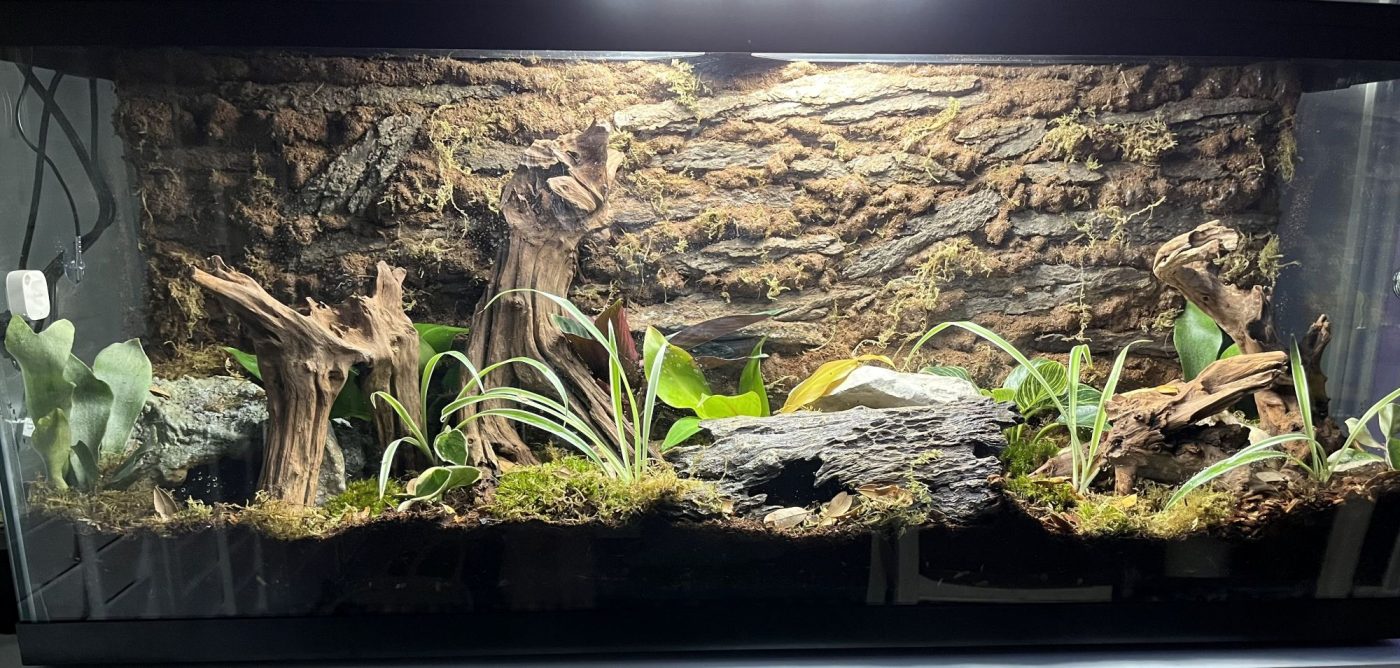
Choosing the right driftwood for snakes is essential to creating a safe, enriching, and visually stunning reptile habitat. Whether you’re caring for arboreal snakes or ground-dwelling species, the right type of driftwood not only supports natural behavior but also enhances the overall environment of your terrarium. In this article, we’ll guide you through the most recommended types of driftwood, preparation tips, and trusted sourcing solutions.
Table of Contents
I. Why Use Driftwood in Snake and Reptile Terrariums?
Incorporating driftwood into a reptile or snake enclosure is not only a decorative choice but also a crucial component in creating a naturalistic and functional habitat. Driftwood offers a wide range of benefits for both the health of your reptiles and the overall terrarium environment.
Benefits of Driftwood for Reptile Health and Enrichment
Driftwood provides essential environmental enrichment that stimulates your snake’s natural instincts, such as climbing, hiding, basking, and exploring. These activities help reduce stress, support physical exercise, and encourage normal behavioral patterns in captivity.
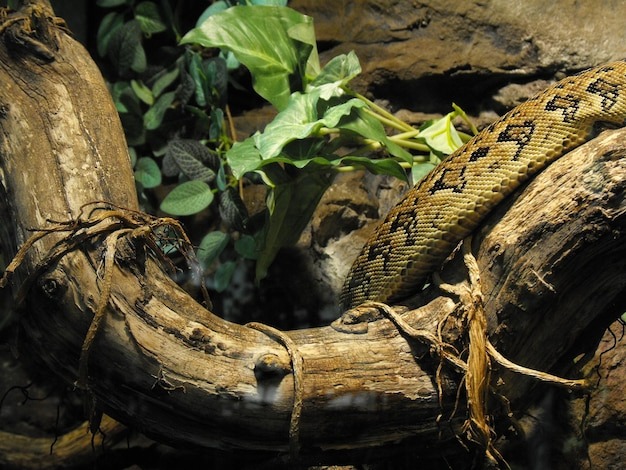
For arboreal species, elevated driftwood provides safe climbing routes, while for terrestrial reptiles, it creates shaded hiding areas and textured surfaces for rubbing during shedding.
Natural Aesthetics and Environmental Simulation
One of the biggest advantages of using driftwood is its ability to mimic the reptile’s native habitat. Its irregular shapes, earthy colors, and organic textures add a natural aesthetic that enhances the look of the terrarium.
More importantly, this visual realism helps snakes feel more secure and comfortable, as they are surrounded by elements that closely resemble their wild environment.
Durability and Safety in Terrarium Settings
High-quality driftwood is extremely durable, making it ideal for long-term use in humid or heated terrariums. Unlike untreated wood, properly selected terrarium driftwood resists rotting and mold when correctly prepared.

It also offers safety when chosen carefully. Smooth surfaces and dense wood types prevent injury or collapse, ensuring the safety of your reptiles while maintaining structural integrity in the enclosure.
II. Matching Driftwood to Your Reptile’s Species and Behavior
Every reptile has its own set of natural behaviors and environmental preferences. Choosing the appropriate driftwood for snakes and reptiles means aligning the structure of the wood with the way your animal moves, hides, rests, and explores. When the habitat design reflects the animal’s instincts, it promotes comfort, reduces stress, and encourages activity.
Driftwood for Snakes: Arboreal vs. Terrestrial Species Requirements
The physical demands of arboreal snakes differ significantly from those of ground-dwelling species. Tree-climbing snakes such as emerald tree boas or green pythons benefit from elevated driftwood pieces that resemble hanging branches. These allow them to perch, coil, and observe their surroundings from above.

In contrast, terrestrial snakes like king snakes or sand boas require broader and lower pieces of natural reptile driftwood that provide cover and crawling space.
By selecting driftwood that supports the movement style of each species, you ensure the enclosure feels instinctively right for its inhabitant.
Considerations for Bearded Dragons and Other Climbing Reptiles
Species such as bearded dragons, chameleons, and many types of geckos naturally seek out surfaces they can climb. For these reptiles, reptile-safe driftwood with sturdy limbs, branching forms, and textured surfaces allows for confident climbing and safe basking.

The strategic placement of driftwood also helps them thermoregulate by positioning themselves under heat sources. Using well-shaped wood encourages more natural posture and movement while giving them vantage points that promote exploration.
Importance of Size, Stability, and Texture
Three factors should guide every driftwood selection: proportion, balance, and surface feel. The size of the driftwood must be suitable for the reptile’s weight and length, while its stability ensures safety during movement or rest.

Textured surfaces aid in grip and shedding, especially for snakes and reptiles that rely on friction to remove old skin. Smooth finishes should be avoided if they reduce traction, and any sharp edges should be eliminated.
To enhance both the functionality and safety of your terrarium, always choose high-quality driftwood for snakes that offers both natural beauty and practical value.
Read more: Best Driftwood for Bearded Dragons: Safe and Natural Choices
III. Best Types of Driftwood for Snakes and Other Reptiles
Not all driftwood is created equal when it comes to designing a functional and visually balanced reptile habitat. Below are some of the most recommended types of driftwood for snakes and reptiles, each offering unique qualities for terrarium use.
Manzanita Wood
Manzanita is one of the most popular choices among reptile keepers. This hardwood is known for its smooth texture, natural twisting shapes, and high resistance to mold or decay. Its dense grain makes it long-lasting, even in high-humidity environments.
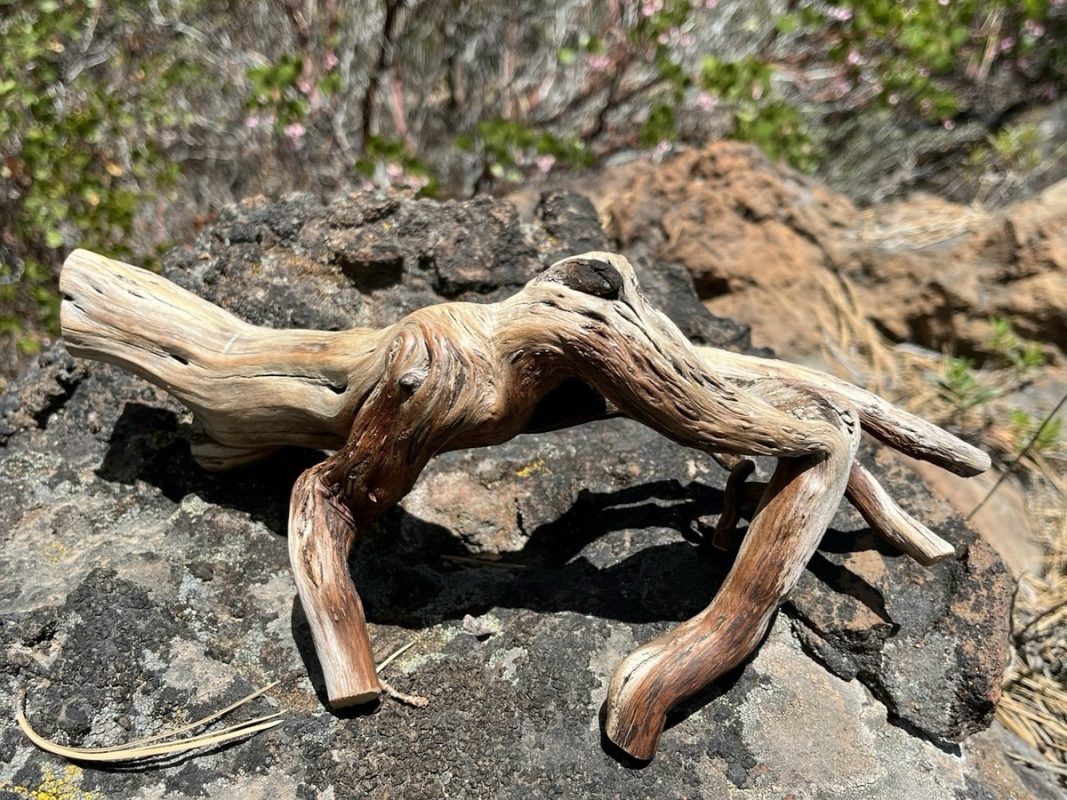
Manzanita driftwood is ideal for both arboreal snakes and climbing reptiles, providing sturdy elevated pathways and basking areas. Its branching forms also add height and dimension to terrarium layouts.
Mopani Wood
Sourced primarily from Africa, Mopani wood is valued for its extraordinary durability and distinctive two-tone look. Its dark brown core and lighter sapwood offer a striking visual contrast in any enclosure.

Because of its high density, Mopani sits firmly in place and is less likely to shift under a reptile’s movement. It works particularly well for terrestrial snakes and heavier reptiles, offering low-profile hiding areas and secure resting spots.
Thanh Lieu Wood
Thanh Lieu wood stands out due to its massive structure and pale natural color. Often shaped like a rooted tree base, it features thick trunks and large branching arms that are ideal for climbing reptiles.

This type of wood is perfect for medium to large species that enjoy vertical space, such as iguanas or tree pythons. Its texture provides a solid grip, while the size allows for creative enclosure design that mimics natural rock or forest formations.
Tiger Woods
With its flowing lines and warm coloration, Tiger wood brings a striking natural element into any terrarium. It typically features broad surfaces and flowing curves, making it an excellent choice for climbing species.

The wood’s natural shape invites movement and exploration, while also serving as a basking platform. Tiger wood is particularly suitable for display enclosures where visual appeal is important alongside function.
Linh Sam Wood
Linh Sam wood offers a bold, tree-trunk-like form that’s ideal for vertical terrarium setups. This type of driftwood often has minimal branching, focusing instead on a tall, upright posture.

It suits species that prefer to rest or bask off the ground, including many types of arboreal snakes. The wood’s stability and presence make it a central decorative and functional feature in large enclosures.
Dragon Wood
Dragon wood is prized for its unusual structure, featuring hollow tubes, twists, and natural tunnels. This makes it especially suitable for smaller reptiles, amphibians, and invertebrates that need hiding spaces or prefer to crawl through narrow passages.

Its lightweight and porous nature also helps maintain humidity in tropical terrariums. Dragon wood adds both function and a sense of wild complexity to compact habitats.
Read more: Large Driftwood for Reptiles: Best Types and Bulk Supplies
IV. Preparing Driftwood for Snakes and Reptiles Use
Before introducing any piece of wood into a reptile enclosure, it’s essential to ensure that the material is clean, safe, and properly prepared. Proper preparation not only protects your animals but also extends the life and appearance of the wood inside the terrarium.
Cleaning and Sterilization Methods
Start by brushing off any visible dirt, bark, or loose debris from the driftwood surface. For effective sterilization, three common methods can be used depending on the size and type of the wood:
- Soaking: Submerge the reptile driftwood in clean water for several days to weeks. This helps dislodge dirt and reduces the risk of pest contamination. Change the water frequently to keep it clean.

- Boiling: For smaller pieces, boiling the driftwood for a few hours kills off bacteria and parasites. This method is particularly useful for hardwoods that can tolerate high temperatures.
- Baking: Place the wood in an oven at a low temperature (around 90 to 120°C or 200 to 250°F) for one to two hours. This dries and sterilizes the wood without causing it to crack or burn. Always monitor closely during baking to avoid overheating.
Each of these methods helps make natural driftwood for reptiles safe for terrarium use.
Removing Tannins and Preventing Mold
Tannins are natural compounds found in many types of wood that can stain water and create an unpleasant odor in humid enclosures. To reduce tannin release, soak the driftwood in clean, dechlorinated water for several days, replacing the water daily until it runs clear.
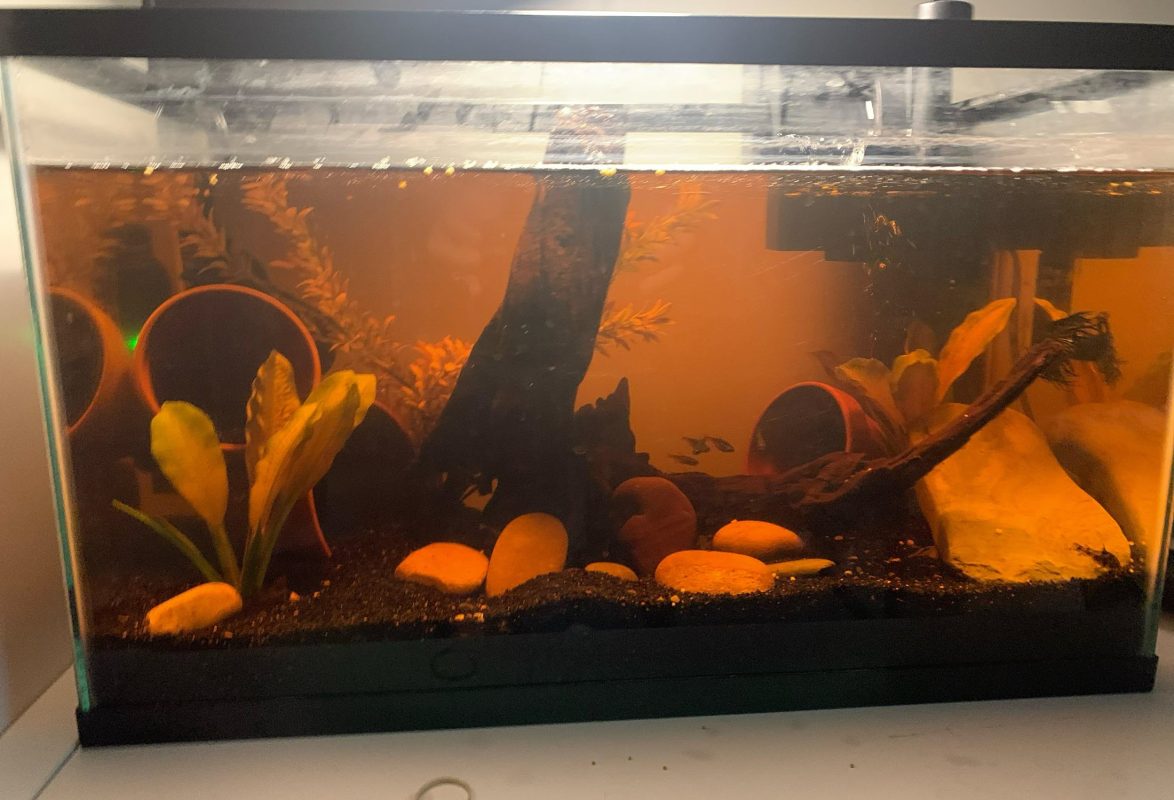
To prevent mold growth in the terrarium, ensure the wood is thoroughly cleaned and never introduce pieces with visible rot, soft spots, or signs of fungus. Using driftwood from trusted sources minimizes the risk of introducing harmful organic material into your habitat.
Ensuring the Wood is Completely Dry and Safe Before Placement
Before placing the wood inside a reptile enclosure, it must be completely dry, especially if baking or boiling was part of the preparation process. Moisture trapped inside the wood can promote mold or mildew in humid environments. Allow the driftwood to air dry in a well-ventilated area for several days until it feels lightweight and dry to the touch.

Once fully dried and inspected for sharp edges or unstable shapes, your driftwood for snakes is ready for use. Position it securely to avoid tipping or collapse, and monitor how your reptiles interact with it to ensure comfort and safety.
Read more: Driftwood for Reptile Tanks: A Sourcing Checklist for Pet Store Owners
V. Tips for Integrating Driftwood into Snake Habitats
Driftwood plays both a functional and aesthetic role in snake enclosures. When thoughtfully arranged, it supports natural behaviors, enhances the terrarium’s layout, and creates a more enriching environment. Below are practical tips on how to integrate driftwood for snakes effectively into their habitats.
Creating Hides and Climbing Structures
Snakes require spaces where they can feel secure, retreat, and regulate their stress levels. Strategically placing natural reptile driftwood to form hides, tunnels, or partially enclosed zones allows your snake to exhibit instinctive hiding behaviors. Use large, curved branches or root-like pieces to build low shelters near the base of the enclosure.

For arboreal or semi-arboreal species, driftwood can also be arranged vertically or diagonally to create natural climbing routes. Intersecting branches, forked limbs, or bonsai-style driftwood provide excellent elevation points for basking, resting, or observation. These climbing features not only stimulate movement but also increase the usable space within the terrarium.
Positioning for Heating and Humidity Control
The placement of driftwood in a snake habitat should support proper thermoregulation. Positioning branches directly beneath a heat source allows snakes to coil up and absorb warmth efficiently. Elevated driftwood also helps snakes reach warmer zones in vertically oriented enclosures.
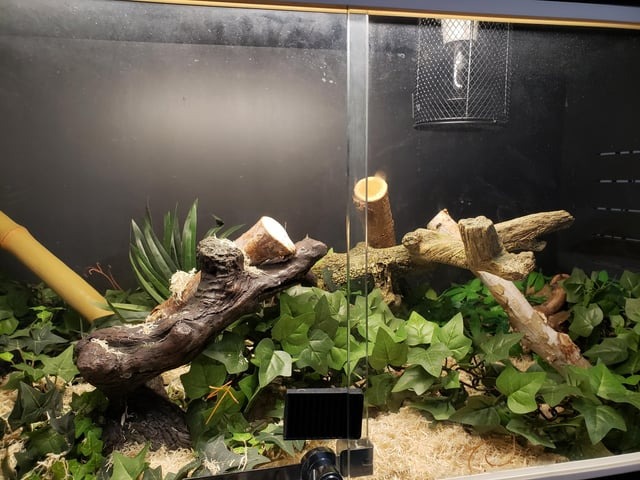
In humid terrariums, using driftwood with a porous surface can assist in maintaining local humidity levels. Placing the wood near a water dish or misting area can create microclimates within the enclosure, giving your reptile multiple options for comfort. Just ensure that the airflow around the driftwood is sufficient to prevent mold growth over time.
Combining Driftwood with Other Natural Decor
Blending driftwood for snakes with other elements such as rocks, cork bark, moss, and live plants helps to replicate the complexity of natural habitats. This approach adds visual depth and functional variety, encouraging exploration and natural movement patterns.
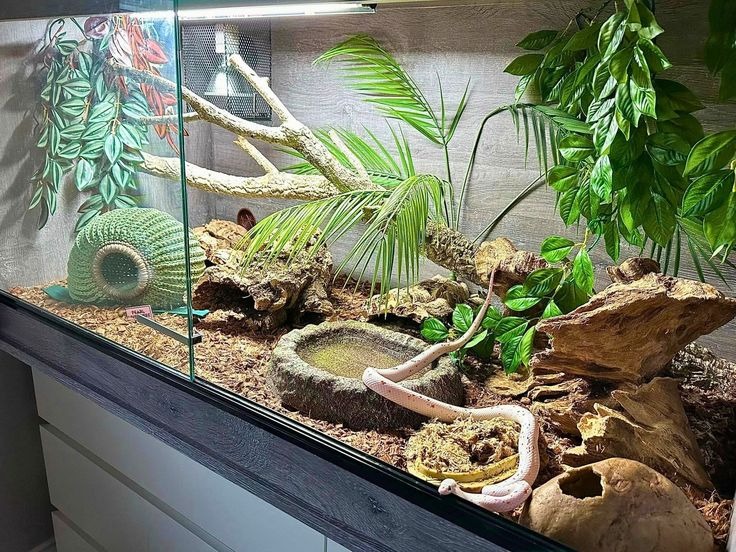
For example, placing moss around the base of a driftwood piece can create a soft, cool area that aids in shedding. Stones placed under arched driftwood sections can create a shaded hiding spot.
When designed thoughtfully, the combination of natural reptile decor creates a habitat that is not only beautiful but biologically appropriate.
Read more: Terrarium Driftwood for Sale: How to Choose Quality Pieces for Your Store
VI. Sourcing Premium Driftwood for Snakes and Reptiles from Thanh Tung Thinh
Thanh Tung Thinh is a trusted supplier of driftwood for snakes and reptiles, offering high-quality, ethically sourced wood for terrariums and enclosures worldwide. With over 14 years of experience, we supply durable, safe, and visually striking pieces that meet the standards of reptile professionals.
Commitment to Quality and Ethical Sourcing
Every piece of wood we offer is ethically sourced and sustainably harvested. We use natural wood from Vietnamese forests and prepare it through a meticulous process that includes cleaning, baking, or boiling, and quality inspections.

This ensures that all driftwood is free from pests, mold, and harmful residues, safe for immediate use in reptile terrariums. Our goal is to provide reptile-safe wood that not only looks natural but also supports animal health and behavior.
Wide Range of Shapes and Sizes for Terrarium Driftwood
Our catalog includes a diverse selection of terrarium driftwood in many forms: stump-like bases, twisted branches, hollow logs, and sculptural trunks.

Whether you need compact pieces for smaller enclosures or dramatic centerpiece wood for arboreal species, we offer flexible sizes, shapes, and species. Each piece is selected and finished to support climbing, hiding, and basking behaviors in reptiles.
Why Partner with Us
We understand the demands of the international reptile market. That’s why we offer:
- Flexible MOQs for small and large businesses.
- OEM and ODM services for customized driftwood products.
- Fast production times backed by skilled labor and export expertise.
- Global shipping support with reliable logistics partners.

Thanh Tung Thinh is not only a supplier but also a long-term partner invested in your business growth. Our reputation is built on trust, quality, and the ability to deliver consistent results to clients around the world.
Read more: Where to Buy Wholesale Terrarium Driftwood: Top Supplier Tips for Retailers
VII. Conclusion
Incorporating the right driftwood for snakes can significantly enhance both the appearance and functionality of a reptile terrarium. It encourages natural behavior like climbing and hiding, supports environmental balance, and adds a natural, enriching touch to the habitat.
When sourcing in bulk, quality matters. At Thanh Tùng Thịnh, we provide ethically sourced, well-prepared driftwood in a wide variety of shapes and sizes, ideal for all types of reptiles.
Ready to upgrade your reptile enclosures with high-quality driftwood? Contact Thanh Tung Thinh today for wholesale pricing, custom options, and global shipping.
📞 Whatsapp: +84 96 394 91 78
🌐 Website: https://vietaquaticwoods.com/
📌 Pinterest: https://www.pinterest.com/vietaquaticwoods/
📧 Email: [email protected]
