
Table of Contents
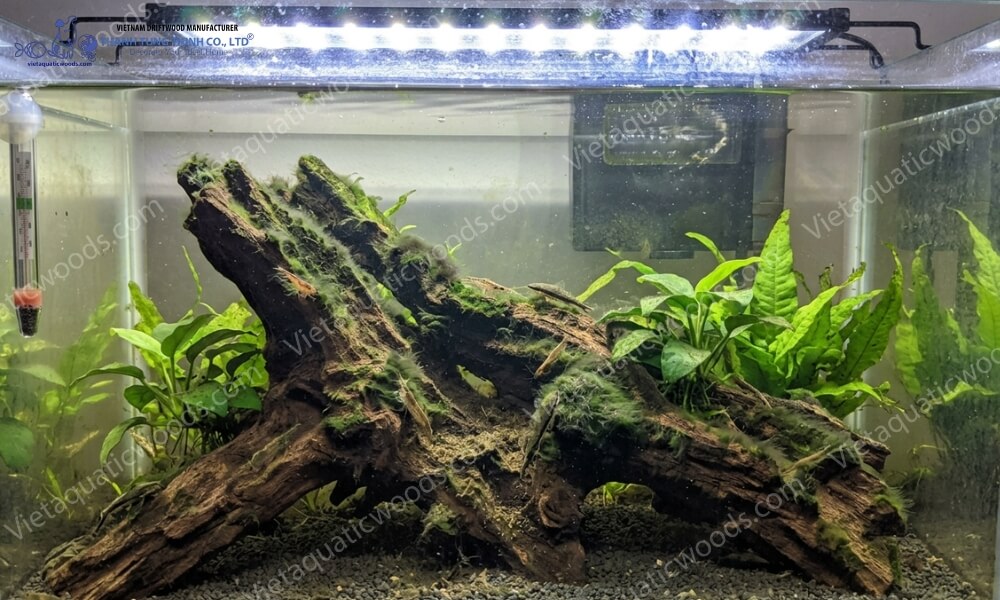
Algae on driftwood is one of the most common visual problems in a freshwater tank. It makes the hardscape look dirty fast, even when the rest of the aquarium still looks clean. That is why the phrase driftwood algae problem aquarium shows up so often in search. Most of the time, the wood is not the real root problem by itself, but it is the place where the imbalance becomes easiest to see.
Driftwood gives algae a textured surface to grip, and it often sits in the most visible part of the layout. Once algae starts growing there, it becomes much harder to ignore than a light patch on the back glass or filter pipe. The good news is that most cases can be controlled without tearing the tank apart. The key is to identify the algae type, fix the actual trigger, and keep maintenance consistent.
Driftwood Algae Problem Aquarium: What Causes It?
In most cases, a driftwood algae problem aquarium keepers notice starts with imbalance, not bad luck. Too much light, excess waste, weak circulation, or inconsistent maintenance can all make driftwood an algae hotspot. The wood does not create algae by itself, but it gives algae a place to hold on and spread. Once that happens, the growth becomes highly visible because driftwood sits right in the focal zone of the aquascape.
- Too much light: Long photoperiods or overly strong lighting make it easier for algae to outcompete the rest of the tank, especially when plant mass is limited.
- Excess organics: Leftover food, fish waste, mulm, and fine debris can settle around driftwood and create a steady fuel source for algae growth.
- Weak circulation: Poor flow around hardscape creates dead spots where waste collects and algae gets a better foothold.
- Tank instability: New tanks, recently changed routines, or inconsistent maintenance often give algae the opening it needs.
The conclusion is simple: algae on driftwood usually points to an imbalance in the tank, not a problem with the wood alone.

Why Does Algae Grow on Driftwood So Easily?
A driftwood algae problem aquarium hobbyists see so often is partly about surface structure. Driftwood is rough, porous, and full of grooves, which makes it easy for algae to attach compared with smoother surfaces. It also collects fine debris over time, especially around branch joints, base creases, and shaded corners. That combination makes driftwood one of the easiest places in the tank for algae to become obvious.
Driftwood also tends to sit where the eye goes first. In many aquascapes, it is the centerpiece, so even a small patch of algae looks like a major problem. That visual effect makes people think the algae outbreak is worse than it is, even when the coverage is still limited. In other words, driftwood does not just grow algae well; it also shows algae more clearly than most other surfaces.
Common Types of Algae Found on Aquarium Driftwood
To solve a driftwood algae problem aquarium owners first need to identify what kind of algae is actually growing there. Brown algae behaves differently from green algae, and both are very different from black beard algae. If you treat all algae the same way, you often waste time and leave the real trigger untouched. A simple identification step makes the correction much more targeted.
| Algae Type | What It Looks Like on Driftwood | What It Usually Suggests |
|---|---|---|
| Brown algae / diatoms | Dusty or soft brown coating | Common in newer tanks or unstable setups |
| Green algae | Thin green film, bright fuzz, or spot-like buildup | Often linked to light and nutrient imbalance |
| Black beard algae (BBA) | Dark gray or black short tufts | Usually tied to stronger imbalance, poor consistency, or stubborn maintenance issues |
Brown algae on driftwood
Brown algae is very common in newer tanks and often appears as a dusty brown layer over hardscape and decor. It usually looks ugly before it becomes truly serious, which is why many beginners overreact to it. In many cases, brown algae improves as the tank matures and overall stability increases. That means it often needs patience and routine cleanup more than aggressive treatment.

Green algae on driftwood
Green algae usually shows up as a film, soft fuzz, or visible green coating on exposed surfaces. It often points to excess light, weak balance between nutrients and plant uptake, or inconsistent maintenance. On driftwood, it becomes obvious quickly because the natural wood tone makes the green contrast stand out. It is usually manageable, but it becomes persistent if the lighting issue stays unchanged.

Black beard algae on driftwood
Black beard algae is one of the most frustrating types because it grips hard and tends to return when the underlying imbalance remains in place. It often appears as short dark tufts, especially on driftwood edges, branch tips, and high-visibility surfaces. This is usually the algae type that makes people feel like the tank has become harder to control. If it keeps coming back, the problem is almost never just the wood; it is the system behind it.

Is a Driftwood Algae Problem Always Serious?
Not every driftwood algae problem aquarium setup develops is severe. A light patch of brown algae in a new tank is very different from a heavy black beard algae infestation that keeps returning after every cleanup. The real question is not whether algae exists at all, but whether it is spreading fast, returning constantly, or starting to affect plants and overall presentation. That difference matters because mild algae and persistent algae do not need the same response.
In many tanks, a small amount of algae is more of a maintenance signal than a disaster. It tells you the system is slightly out of line, not necessarily that the hardscape needs to be removed. The more serious cases are the ones that keep growing back after cleanup or start covering multiple surfaces at once. That is when you need to stop treating it as a surface issue and start looking at the tank’s routine more closely.
How to Identify the Real Cause
When a driftwood algae problem aquarium setup keeps coming back, the real cause is usually hidden in the routine. The wood is where the symptom shows up, but the trigger often comes from lighting, waste buildup, weak flow, or poor consistency over time. If you only clean the driftwood and never audit the tank conditions, the algae often returns. Diagnosis matters because the wrong fix creates a short-lived result.
Start with light because it is the fastest way to push algae growth when everything else is only slightly off. Then check feeding habits, waste accumulation, and circulation around the driftwood itself. After that, look at tank age, plant mass, and whether your maintenance schedule is consistent or constantly changing. Most algae problems become easier to solve once you identify which one of those pressure points is driving the growth.

Driftwood Algae Problem Aquarium: How to Fix It
Once a driftwood algae problem aquarium owners can see becomes established, the first step is manual control. You need to reduce what is already there while also correcting the imbalance that allowed it to build up. If you skip the cleanup, the tank stays visually messy. If you skip the root fix, the algae simply comes back.
- Remove algae by hand first: Brush, wipe, or siphon the visible buildup so the driftwood starts from a cleaner baseline.
- Clean during water changes: Combining algae removal with maintenance keeps debris from spreading all over the tank.
- Use algae eaters as support only: Shrimp, snails, or algae-eating fish can help reduce buildup, but they are not a replacement for fixing the actual cause.
- Correct the imbalance: Lower light, reduce excess organics, improve flow, or increase plant competition based on what the tank is missing.
The conclusion is direct: the best fix is always manual removal plus a real correction to the tank conditions.

How to Fix Brown Algae on Driftwood
Brown algae is one of the easier cases to manage if you stay patient. It often appears in newer tanks, especially when the aquarium is still stabilizing and the hardscape is collecting early dust and organics. In many cases, the growth looks worse than it actually is and responds well to routine cleaning and better stability. The important thing is not to treat it like black beard algae and overcorrect too aggressively.
A gentle scrub during water changes, along with steady maintenance, is usually enough to bring it down over time. Increasing plant competition also helps because a healthier planted system uses resources that algae would otherwise exploit. If your tank is still young, maturity alone may reduce a big part of the issue. The key point is that brown algae usually improves when the tank becomes more stable.
How to Fix Black Beard Algae on Driftwood
Black beard algae usually signals a stronger imbalance and needs a firmer response. It does not behave like light brown dust or soft green film, and it rarely disappears just because you wait a little longer. If it is growing on driftwood, you should assume the issue is tied to consistency problems in lighting, waste control, flow, or overall tank balance. That is why it often returns when people only scrub the surface and stop there.
Manual removal is usually necessary, especially when the growth is thick and visible from the front of the tank. After that, the system itself has to improve, or the same driftwood will become covered again. In tougher cases, hobbyists sometimes use controlled spot-treatment methods, but those should only be used carefully and never as the only solution. The main point is that black beard algae on driftwood is a correction problem, not just a cleaning problem.
How to Prevent It From Coming Back
To stop the same driftwood algae problem aquarium owners often fight over and over, prevention has to be part of the routine. Once the driftwood is clean again, the tank needs a more stable balance so the same type of growth does not simply return to the same spots. That means preventing buildup before it becomes visible, not waiting until the wood looks bad again. Long-term control always comes from consistency.
- Keep lighting controlled: Use a realistic photoperiod and avoid giving the tank more light than the plants can actually use well.
- Reduce waste around the driftwood: Siphon debris from hardscape bases and feeding zones so organics do not sit and fuel algae growth.
- Improve circulation: Better flow reduces dead spots where algae tends to establish itself on textured surfaces.
- Maintain plant competition: A healthy planted tank uses nutrients more effectively and makes it harder for algae to dominate exposed wood.
The conclusion is clear: algae prevention works best when light, flow, waste control, and plant balance stay consistent together.

Read more:
- Aquarium Driftwood Mold White Fungus: What It Is, Why It Happens, and How to Fix It
- How to Clean Driftwood for Fish Tank: Step-by-Step Aquarium Guide
Common Mistakes When Treating Algae on Driftwood
Many people make a driftwood algae problem aquarium harder than it needs to be because they attack the symptom but ignore the cause. They scrub the wood hard, see temporary improvement, and then get frustrated when the algae comes right back. Others expect shrimp, snails, or algae-eating fish to solve everything while the same lighting and waste problems stay unchanged. Those shortcuts usually fail because algae control is a systems issue, not just a surface issue.
Another mistake is overreacting to minor algae in a new tank. A little brown algae on new driftwood is not the same thing as a persistent black beard algae problem, and those situations should not be treated with the same intensity. It is also common to ignore flow around the hardscape itself, even though that is often where the waste and algae pressure build up. The smartest move is to match the response to the algae type and the actual tank condition.
Choosing Better Driftwood to Reduce Setup Problems
In some cases, driftwood algae problem aquarium complaints start earlier because the driftwood itself was not well selected or well prepared. Cleaner, more stable, better-finished pieces usually collect less loose debris and are easier for end users to maintain. That does not make them algae-proof, but it does reduce friction during setup and early maintenance. For retailers and importers, that usability matters because easier products usually create better customer outcomes.
- Cleaner surface condition: Driftwood with less loose residue and bark is easier to prep and easier to keep visually clean.
- More stable structure: Well-selected pieces are easier to place, easier to maintain, and less likely to trap waste in awkward weak areas.
- Better end-user experience: Driftwood that behaves predictably reduces complaints and improves setup success for buyers.
- Stronger sourcing value: Better consistency makes the product more practical for wholesale and retail programs.

The conclusion is simple: better driftwood does not remove the need for maintenance, but it can reduce avoidable setup and usability problems
If your business is sourcing aquarium driftwood in volume, product consistency matters as much as appearance. Thanh Tung Thinh can be considered as a Vietnam-based option for wholesale driftwood supply, especially for buyers who value bulk support and more consistent selection. That matters because easier-to-use driftwood supports a smoother customer experience after purchase. Better sourcing does not solve algae by itself, but it can reduce the avoidable friction that starts before the wood even reaches the tank.

 WhatsApp: +84 96 394 91 78
 Email: [email protected]
 Website: https://vietaquaticwoods.com/
 Pinterest: https://www.pinterest.com/vietaquaticwoods/
Final Answer
The main takeaway from any driftwood algae problem aquarium setup is that algae on driftwood is usually a symptom, not the full root problem. Light imbalance, excess organics, weak flow, and inconsistent maintenance are the main pressure points that turn driftwood into an algae hotspot. If you identify the algae type, remove the visible growth, and correct the imbalance behind it, most cases become much easier to control. In most cases, a driftwood algae problem aquarium owners see starts on the wood first, but the overall tank system is what determines whether it keeps coming back.
FAQ
Why is algae growing on my aquarium driftwood?
Algae grows on driftwood because the wood gives it a textured surface to grip, and that surface often collects fine debris and organics over time. In most tanks, the real trigger is still imbalance in lighting, waste control, flow, or maintenance consistency. Driftwood is simply one of the easiest places for that imbalance to become visible. That is why cleaning the wood alone rarely solves the issue for long.
Is algae on driftwood harmful to fish?
Most algae on driftwood is not directly harmful to fish in the way beginners often fear. The bigger issue is usually appearance, spread, and what the algae says about the balance of the tank. If the aquarium has a major ongoing imbalance, that broader instability can become more important than the algae itself. In other words, the algae is often more of a warning sign than a direct threat.
How do I remove algae from driftwood in an aquarium?
Start with manual removal because that gives you a cleaner baseline right away. Brush or siphon the visible algae during a water change, then correct the light, waste, or flow issue that helped it grow there in the first place. If you skip the second step, the algae usually comes back. The best results always come from cleaning plus correction.
Why does black beard algae grow on driftwood?
Black beard algae grows on driftwood because driftwood gives it an easy surface to attach to, especially in tanks with unstable balance. This algae is often linked to stronger system issues such as poor consistency, excess organics, or stubborn maintenance gaps. It tends to grip hard and return when the conditions stay favorable. That is why it needs a stronger response than light brown or green algae.
Will brown algae on driftwood go away on its own?
In many new tanks, yes, brown algae often gets better as the aquarium matures and becomes more stable. That does not mean you should ignore it completely, but it does mean you should not panic too early. Light routine cleaning and a steady maintenance rhythm are usually enough to help it fade. Patience matters more here than overcorrection.
Should I remove driftwood if algae keeps coming back?
Usually, no, not as your first move. If algae keeps returning, the better question is why the tank keeps giving it the same opportunity. Removing the wood may hide the symptom temporarily, but it does not fix excess light, organics, or weak flow. The wood should only become the main suspect if it is trapping debris badly or causing obvious maintenance issues.
How can I prevent algae from growing on driftwood?
The best prevention comes from keeping the tank stable rather than trying to “treat” the wood over and over. Control the light, keep waste from collecting around the driftwood, improve flow where needed, and support stronger plant competition if the setup allows it. Those changes make the surface less favorable for algae in the first place. Prevention is always easier than repeated cleanup.
