
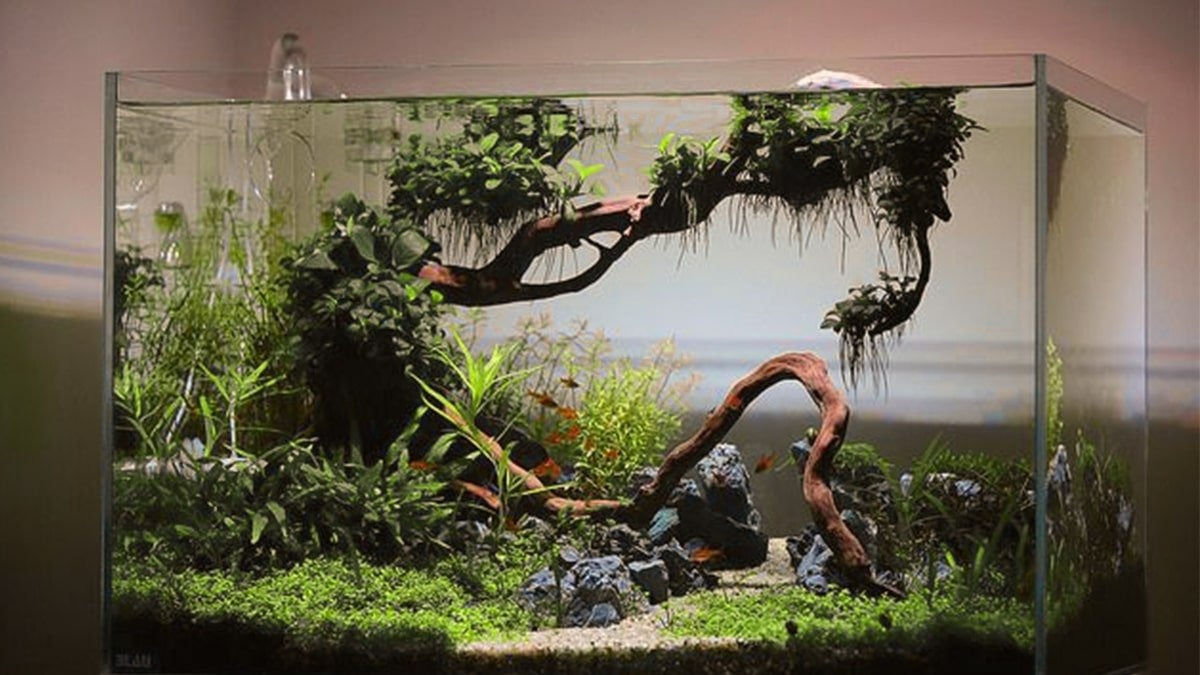
Driftwood for aquariums has become a must-have in modern aquascaping, driving strong global demand among hobbyists, retailers, and wholesalers. This article uncovers the latest market trends, reveals sourcing strategies for bulk buyers, and explains why partnering with a trusted supplier can give your business a competitive edge.
Table of Contents
I. Global Market Insights: Why Driftwood for Aquariums Is in High Demand
The global aquarium decor industry has experienced rapid growth in recent years, and driftwood for aquariums has emerged as one of the most sought-after elements in both freshwater and saltwater aquascaping. Demand spans from small home tanks to extra-large driftwood for aquarium setups in public exhibits, creating strong opportunities for wholesalers and bulk suppliers.
Global Aquarium Decor Market Size and Growth Trends
The global aquarium decor market, which includes products such as natural driftwood, is experiencing steady growth driven by the rising popularity of aquascaping and the increasing number of aquarium hobbyists worldwide.
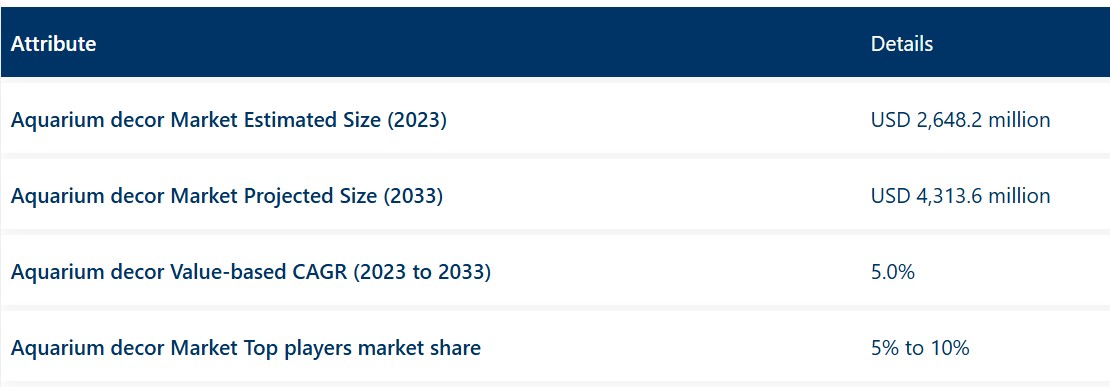
(Source: Future Market Insights)
According to Future Market Insights (FMI), the aquarium decor market is valued at USD 2.65 billion in 2023 and is projected to reach USD 4.31 billion by 2033, registering a compound annual growth rate (CAGR) of 5.0% during the forecast period.
This growth is fueled by factors such as increased pet fish ownership, expanding retail and e-commerce channels, and heightened interest in visually striking aquascape designs shared on social media. For wholesalers and retailers, this creates a clear opportunity to invest in high-quality, sustainably sourced driftwood to meet the growing global demand.
Top Importing and Exporting Regions
Asia-Pacific, particularly Vietnam, Malaysia, and Indonesia, dominates the export market for aquarium driftwood, with Vietnam emerging as a key supplier of pre-treated natural driftwood for aquariums, bonsai driftwood, and unique handcrafted pieces.

On the import side, the United States, Germany, the UK, and Japan are leading buyers, with growing retail and online sales channels. These markets often demand bulk orders and value suppliers who can offer consistent quality and a variety of driftwood aquarium types to meet diverse consumer tastes.
Factors Fueling Demand
Several factors are driving the surge in demand for driftwood aquarium benefits:
- Social media influence: Platforms like Instagram and YouTube showcase high-end aquascapes, inspiring hobbyists to replicate these designs.
- Aquascaping competitions: Global events such as the International Aquatic Plants Layout Contest (IAPLC) highlight the best driftwood for freshwater aquarium layouts, influencing market preferences.
- Rising pet ownership: The increase in aquarium hobbyists worldwide has expanded the demand for natural decor, especially versatile items like extra-large driftwood for aquarium pieces for dramatic focal points.
II. Market Trends Driving Demand for Aquarium Driftwood
The demand for driftwood for aquariums continues to accelerate, driven by a combination of lifestyle trends, hobbyist culture, and social media exposure. For wholesalers and retailers, understanding these market forces is key to tapping into growing customer interest and stocking products that align with current aquascaping preferences.
Growth of Aquascaping and Aquarium Hobby
Aquascaping has evolved from a niche interest into a global hobby, attracting millions of enthusiasts each year. According to the Aquatic Gardeners Association, participation in aquascaping contests has increased steadily over the last decade, reflecting the hobby’s mainstream appeal.

As more consumers set up home aquariums, both freshwater and saltwater, the need for natural decor elements like driftwood has surged. This trend is particularly strong among urban millennials and Gen Z, who see aquascaping as a blend of art and nature.
Rise in Aesthetic and Biotope Aquarium Setups
Aquascapers are increasingly seeking decor that reflects natural underwater environments. Biotope aquariums, which replicate specific river or lake habitats, rely heavily on authentic driftwood pieces to mimic natural root systems.

Similarly, aesthetic-driven setups, whether minimalist or lush jungle-style, use aquarium driftwood as a focal point for moss, ferns, and epiphytic plants. This versatility makes it a top-selling item across multiple aquarium styles.
Read more: Large Driftwood for Aquariums: Benefits and Buying Wholesale
Influence of Aquascaping Events and Online Communities
Major aquascaping events like the International Aquatic Plants Layout Contest (IAPLC) and Aquatic Experience showcase intricate designs that often feature driftwood as a structural base.

Meanwhile, platforms such as Instagram, YouTube, and Reddit’s aquascaping forums fuel consumer demand by inspiring hobbyists with trending setups. These visual platforms not only promote the beauty of driftwood in aquariums but also encourage experimentation, boosting repeat purchases and premium product sales.
Benefits of Using Driftwood in Aquariums
Driftwood offers both aesthetic and functional benefits for aquarium setups. It creates a natural, visually appealing hardscape while providing shelter and hiding spots for fish. Many species of driftwood also help lower pH and release beneficial tannins, creating water conditions similar to tropical river habitats.

This makes it especially valuable for species like tetras, discus, and catfish. For retailers, these benefits translate into strong selling points that appeal to both new hobbyists and seasoned aquascapers.
Read more: Top 9 Aquascaping Driftwood Options for Wholesale – How to Choose the Best One?
III. Sustainability and Ethical Sourcing in the Driftwood Market
As demand for driftwood for aquariums grows globally, the importance of sustainable and ethical sourcing has never been greater. B2B buyers are increasingly prioritizing suppliers who not only deliver high-quality products but also follow environmentally responsible practices that appeal to eco-conscious consumers.
Eco-Friendly Collection Methods
Responsible driftwood suppliers collect driftwood through natural recovery rather than destructive logging.

This involves gathering pieces washed ashore, salvaging from naturally fallen trees, or sourcing from managed plantations where harvesting is controlled. Such methods help preserve aquatic and terrestrial ecosystems while ensuring the wood is safe for use in aquariums.
Forest Conservation and Community Impact
Ethical sourcing also extends to protecting forests and supporting local communities. Many reputable producers work with forestry programs and conservation groups to replant trees, prevent soil erosion, and protect biodiversity.
In regions like Vietnam, sourcing programs often create jobs for rural communities, providing a sustainable livelihood while preserving natural resources for future generations.
Consumer and Market Preference for Sustainable Decor
Eco-friendly products are no longer a niche demand. Surveys by the Sustainable Furnishings Council and Global Aquascaping Network indicate that consumers are more willing to pay premium prices for aquarium décor labeled as sustainably sourced.

For B2B buyers, offering sustainable driftwood is both an ethical choice and a competitive advantage, aligning with the values of modern aquascapers and enhancing brand reputation.
Read more: How to Source Wholesale Natural Driftwood for Reptile Tanks, and Aquascaping
IV. Types of Driftwood for Aquariums and Their Applications
For wholesalers and retailers, understanding the different types of driftwood for aquariums is key to meeting varied customer demands. Each wood variety brings unique textures, tones, and structural qualities that cater to specific aquascaping designs and aquarium sizes.
Common Varieties of Aquarium Driftwood
The global aquarium market offers a wide range of driftwood types, each with its own aesthetic and functional benefits. Stocking multiple varieties allows wholesalers to appeal to different aquascaping trends and buyer preferences:
- Mopani: Dense African hardwood with rich two-tone coloring, ideal for bold layouts and quick sinking.
- Manzanita: Lightweight, branching wood from North America, excellent for airy and minimalistic aquascapes.
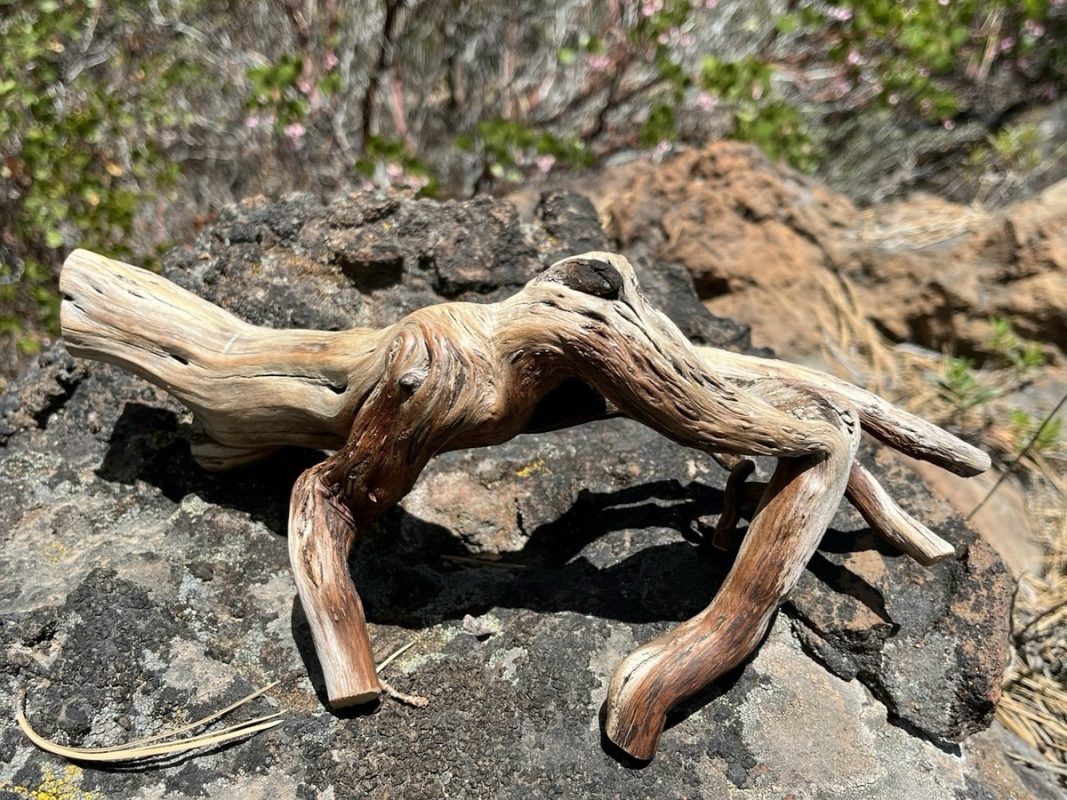
- Spider Wood: Intricate root-like structures that add a dynamic, natural feel and are perfect for moss attachment.
- Thanh Lieu Wood: Vietnam-sourced driftwood known for smooth surfaces, warm tones, and distinctive knots.
- Sanda Wood: Dark, heavy wood that delivers a rustic, dramatic effect in large aquariums.
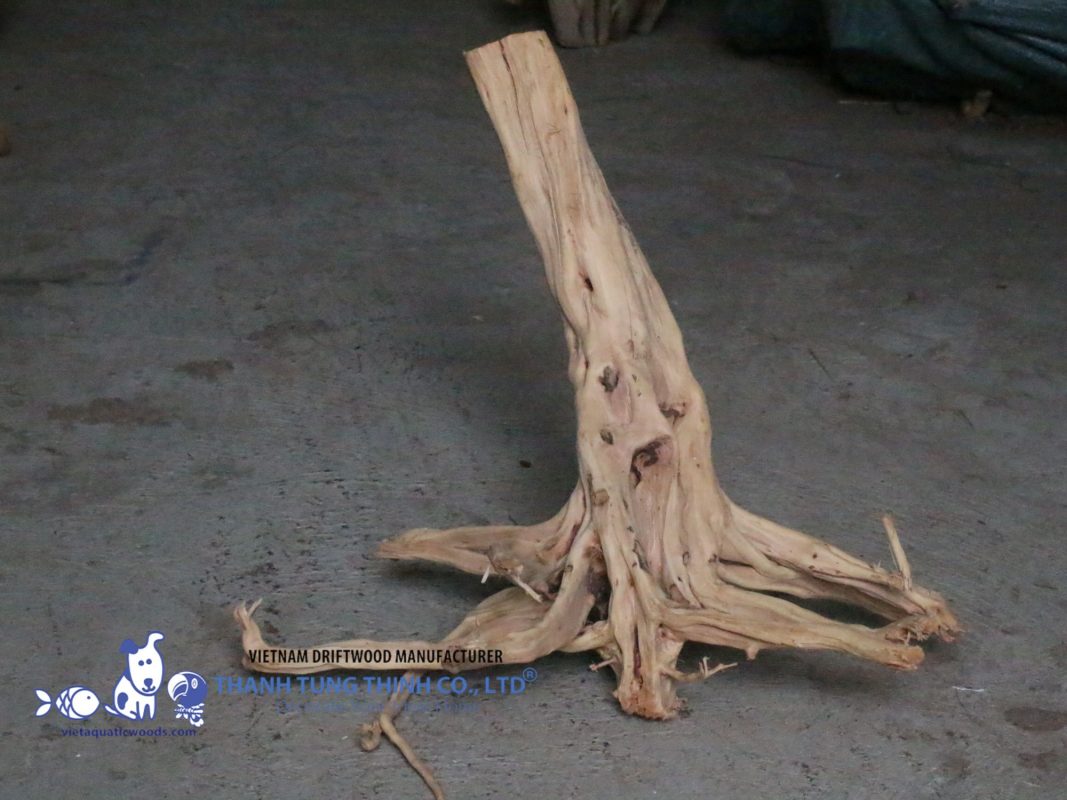
By offering a mix of these driftwood types, B2B suppliers can serve a wider customer base, from casual hobbyists to professional aquascapers, ensuring higher turnover and repeat orders.
Matching Driftwood Types with Aquascaping Styles
Selecting the right driftwood for aquariums type is essential for achieving the intended aquascaping style. Different woods work better for specific themes and layouts:
- Nature Aquariums: Often use Manzanita or Spider Wood for flowing, organic designs.
- Biotope Aquariums: Mopani and Thanh Lieu wood replicate natural habitats with authenticity.
- Competition and Show Tanks: Frequently combine several driftwood varieties to create complexity and depth.

Matching the right driftwood type with the customer’s aquascaping vision not only enhances the tank’s visual appeal but also increases buyer satisfaction. For wholesalers, this alignment helps in positioning products as not just decorative but essential tools for successful aquascaping projects.
Considerations for Size, Shape, and Placement
When sourcing driftwood for aquariums in bulk, wholesalers must evaluate how size, shape, and placement affect customer appeal. Smaller pieces cater to nano aquariums, while large driftwood is sought after for display tanks and public aquariums.
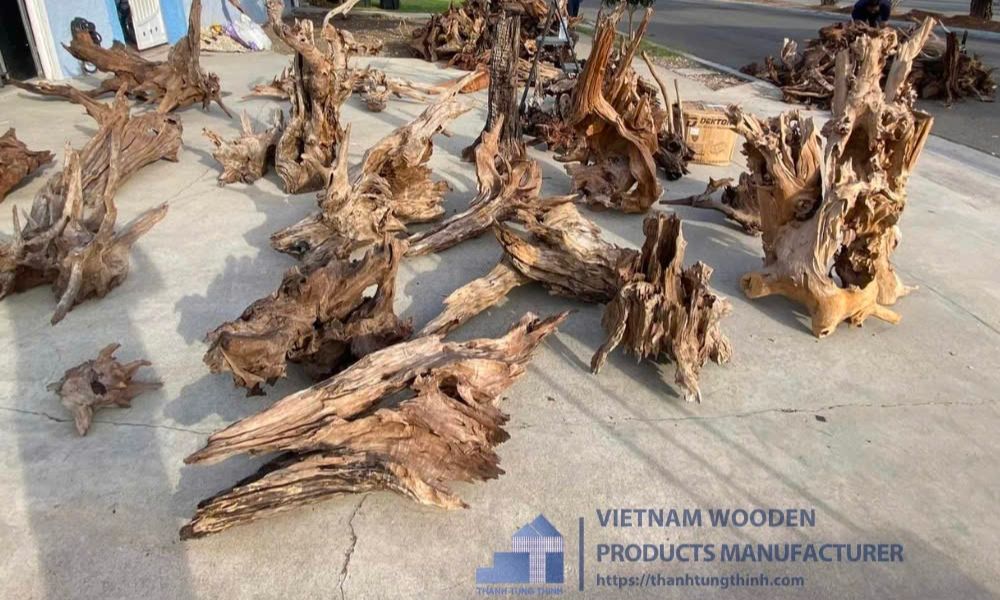
Shapes can range from delicate branches to solid, sculptural logs, influencing both the aquascaping style and fish shelter potential.
Placement is equally critical. Strategically positioned driftwood can serve as a focal point, create depth in the layout, or provide natural hiding spots for aquatic species. Offering a wide selection tailored to these factors ensures better alignment with market demand and end-user preferences.
V. Tips for Bulk Buyers of Driftwood for Aquariums
For wholesalers, retailers, and importers, buying driftwood for aquariums in bulk offers significant opportunities, but it also requires careful planning to ensure quality, compliance, and profitability. Below are essential considerations for making the most of your investment.
Assessing Quality and Aquarium Safety
Quality assurance is essential in bulk purchases. Buyers should look for aquarium driftwood that is structurally sound, free from rot or excessive cracks, and properly cured to prevent pests.

It’s equally important to confirm that the wood contains no harmful chemicals, paints, or varnishes that could endanger fish or plants. Many experienced buyers request pre-shipment photos, product certifications, and water safety test results from suppliers before finalizing an order.
Negotiating Pricing, MOQ, and Payment Terms
Bulk orders provide leverage to negotiate more favorable deals. Open discussions with suppliers about volume-based discounts, flexible minimum order quantities (MOQ), and payment arrangements, such as staggered installments, can improve cash flow and reduce risk. Building long-term relationships with reliable suppliers often leads to priority access to rare wood types and seasonal price advantages.
Read more: Best Aquarium Driftwood Wholesale for Retailers and Importers
Managing Supply Chain, Import Regulations, and Storage
Importing driftwood may involve meeting fumigation requirements, preparing customs documents, or complying with environmental regulations such as CITES for certain wood species.

Partnering with an experienced freight forwarder simplifies the process and reduces delays. Once the shipment arrives, storage should be in a dry, well-ventilated space to prevent mold and preserve quality for resale.
Maximizing Profit Margins and Resale Potential
Profitability often comes down to offering the right mix of products. Stocking both cost-effective and premium driftwood varieties allows you to serve different customer segments.

Some businesses boost margins by creating bundled aquascaping kits with plants, stones, and driftwood, while others use social media to showcase creative setups that inspire buyers and encourage higher spending.
Read more: How to Import Driftwood from Vietnam: A Guide for Global Buyers
VI. Sourcing Driftwood for Aquariums from Thanh Tung Thinh – Trusted Vietnam Supplier
For bulk buyers seeking reliable, high-quality driftwood for aquariums, partnering with an established supplier is key to ensuring consistent supply, competitive pricing, and product excellence. Thanh Tung Thinh, based in Vietnam, has earned a strong reputation among wholesalers and retailers worldwide for its expertise and commitment to sustainability.
Over 14 Years of Experience in Driftwood Exporting
Since its founding, Thanh Tung Thinh has specialized in exporting driftwood for aquascaping and aquarium décor. With more than 14 years of hands-on experience, the company understands market trends, quality standards, and the unique needs of B2B buyers.

Our product range includes popular varieties like Kimchi wood, Spider wood, Thanh Lieu wood, Sanda wood,… all processed to meet international aquarium safety requirements.
Sustainable Sourcing and Custom Design Capabilities
Thanh Tung Thinh sources driftwood responsibly, ensuring that each piece is harvested in line with environmental regulations and forest conservation practices.

Beyond standard products, we offer custom designs, allowing buyers to request specific sizes, shapes, and styles tailored to their target market. This flexibility is especially valuable for retailers seeking unique pieces that stand out in competitive aquarium décor markets.
Benefits for B2B Buyers
To support wholesalers, we provide business-friendly terms, including low minimum order quantities (MOQs) that make it easier to test new products without heavy upfront investment.

Free sample programs allow potential partners to assess quality before committing, while dedicated export support ensures smooth logistics and compliance with international shipping requirements.
Combined, these benefits make Thanh Tung Thinh a trusted partner for aquarium supply businesses looking to scale efficiently.
VII. Conclusion
The rising popularity of aquascaping, the influence of social media, and the expanding aquarium hobby worldwide are all driving the strong demand for driftwood for aquariums. From small retail shops to large-scale importers, businesses have a clear opportunity to capitalize on this trend by offering a diverse range of high-quality, safe, and sustainably sourced driftwood products.
For bulk buyers and wholesalers, success in this market depends on partnering with suppliers who can ensure consistent quality, meet international safety standards, and adapt to evolving customer preferences. Ethical sourcing, variety in wood types, and the ability to customize pieces for different aquascaping styles are increasingly essential to stay competitive.
Partner with Thanh Tung Thinh today and gain a dependable source of high-quality driftwood that meets the needs of both your business and your customers.
📞 Whatsapp: +84 96 394 91 78
🌐 Website: https://vietaquaticwoods.com/
📌 Pinterest: https://www.pinterest.com/vietaquaticwoods/
📧 Email: [email protected]
