
Table of Contents
Aquascaping driftwood is an essential element in creating natural, visually stunning underwater landscapes. Whether you’re designing a lush planted tank, a minimalist hardscape, or a blackwater biotope, choosing the right driftwood can make all the difference.
But with so many options available, how do you select the best one for your needs? In this guide, we’ll explore the top 9 aquascaping driftwood options for wholesale, along with expert tips on choosing, preparing, and sourcing high-quality driftwood. If you’re looking to order in bulk from a trusted supplier, read on to find the perfect driftwood for your aquascaping business.
Why Aquascaping Driftwood Matters
In the world of aquascaping, every element plays a crucial role in shaping a visually stunning and functional underwater environment. Aquascaping driftwood is more than just a decorative piece—it serves essential purposes that enhance both aesthetics and water quality. From providing natural hiding spots for aquatic life to influencing water chemistry, selecting the right driftwood can transform an ordinary tank into a thriving ecosystem.

Aesthetic and Functional Benefits
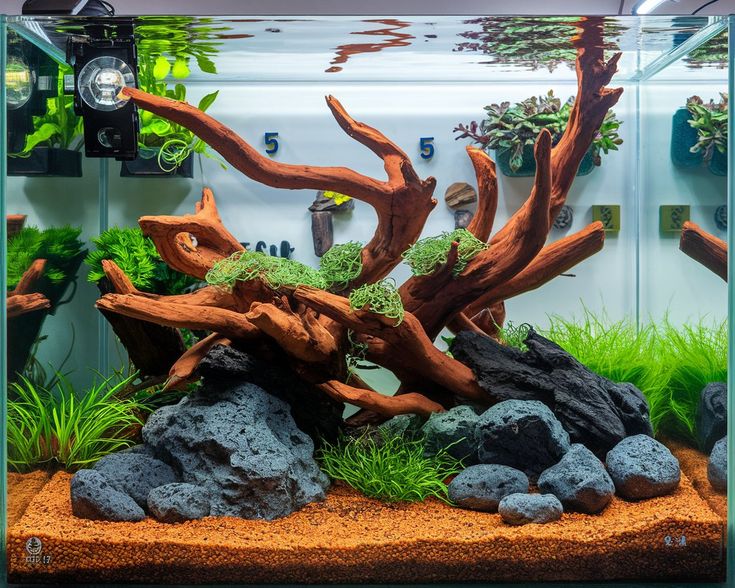
Driftwood is a staple in natural aquarium setups, offering a realistic and organic appearance that mimics the submerged roots and branches found in rivers and lakes. The intricate shapes and textures of aquascaping driftwood create depth and dimension, making it a favorite among aquascaping enthusiasts.
Beyond aesthetics, driftwood serves as a functional addition to any hardscape design. It provides essential shelter for fish, shrimp, and other aquatic creatures, helping reduce stress and encourage natural behaviors.
Many aquarists, particularly those specializing in blackwater aquariums, seek out driftwood varieties that release tannins. These tannins naturally soften water, lower pH levels, and create a rich, tea-colored hue that replicates the natural conditions of tropical rivers. Species such as discus, bettas, and certain tetras thrive in these tannin-rich environments.
A well-known case study from aquascaping competitions highlights the impact of proper driftwood selection. In the 2023 International Aquascaping Contest, a top-ranking participant used Spiderwood to create a visually striking hardscape, combined with slow-growing mosses and epiphytic plants. The result was a nature-inspired aquascape that provided ample hiding spots for fish while maintaining crystal-clear water due to Spiderwood’s minimal tannin release.
Impact on Water Chemistry
Introducing natural driftwood for aquariums can significantly influence water parameters, making it essential to choose the right type based on the needs of your tank’s inhabitants. Some driftwood varieties lower pH levels and soften water by releasing tannins, while others have minimal impact.
- Driftwood types that release more tannins: Mopani Wood, Do Quyen Driftwood, and Sanda Driftwood are known for their significant tannin release, making them ideal for blackwater aquascapes.
- Low-tannin driftwood: Spiderwood and Manzanita Wood release fewer tannins, making them suitable for aquarists who want clear water while still incorporating a natural hardscape.
To manage water conditions when using driftwood, pre-soaking is recommended to reduce tannin levels before adding it to the aquarium. Some wholesale buyers in the bulk driftwood export market prefer driftwood that has been pre-treated to minimize tannin leaching, ensuring better compatibility with different aquascaping styles.
A practical example involves a high-end aquascaping retailer in Japan that specializes in sourcing sustainable driftwood from ethical suppliers. By offering pre-soaked and pH-neutral driftwood, they successfully catered to a wider customer base looking for premium, hassle-free options.
Top 9 Aquascaping Driftwood Options for Wholesale
Aquascaping driftwood is essential for creating visually stunning and functionally rich underwater landscapes. It enhances tank aesthetics, provides shelter for aquatic life, and influences water chemistry. For wholesalers, offering high-quality driftwood can meet the growing demand among aquarists and aquarium enthusiasts. Below, we explore the top 9 aquascaping driftwood options, their best uses, and key wholesale considerations.
1. Spiderwood
Spiderwood is one of the most popular choices for aquascaping driftwood due to its intricate, twisting branches that create visually stunning layouts. Its lightweight nature makes it easy to arrange in both small and large aquariums, and it quickly becomes a focal point in nature-style aquascapes.
This driftwood releases minimal tannins, ensuring that the water remains clear while still providing a natural look. With high demand from aquarists worldwide, Spiderwood is a profitable option for wholesale buyers, especially since its unique structure enhances hardscape designs effortlessly.

2. Manzanita Wood
Manzanita Wood is a premium aquascaping driftwood known for its smooth texture and beautifully branching structure. It is highly valued for its minimal tannin release, making it perfect for clear-water aquariums.
Its durability and resistance to decay also make it a long-lasting option for aquascape players looking for a stable hardscape material. Due to its high quality, Manzanita commands a premium price in the wholesale market, appealing to aquascaping professionals and enthusiasts who prioritize both aesthetics and functionality.

3. Mopani Wood
Mopani Wood is a dense and heavy type of aquarium driftwood that sinks immediately, making it ideal for aquarists who want to avoid the hassle of waterlogging their wood. Its rich, dark tones contrast beautifully with green aquatic plants, and it releases beneficial tannins that help create blackwater environments for species like discus and betta fish.
With its high durability and ability to create a natural, aged look in aquariums, Mopani Wood is a sought-after wholesale product, especially in markets where blackwater aquascaping is popular.
4. Do Quyen Driftwood
Do Quyen Driftwood, sourced from Southeast Asia, is distinguished by its long, branchy structure and light color. Its natural shape mimics submerged tree roots, making it an excellent choice for jungle-style aquascapes or biotope tanks.
The unique branching allows for easy attachment of mosses and epiphytic plants, enhancing its value for aquarists. Wholesale buyers appreciate Do Quyen Driftwood for its high aesthetic appeal and versatility, making it a premium choice for customers seeking natural aquascaping solutions.

5. Sanda Driftwood
Sanda Driftwood stands out with its dark color and smooth, solid structure. Unlike branchy driftwood types, Sanda has a more compact form, making it perfect for minimalist Aquascaping Driftwood layouts or tanks where a bold centerpiece is needed.
This driftwood is highly durable and doesn’t break down easily, making it a long-term investment for aquarists. Its ability to fit well in various tank sizes and styles makes it an excellent Aquascaping Driftwood option for wholesalers looking to offer a versatile, high-demand product.

6. Bonsai Driftwood
Bonsai Driftwood is a carefully sculpted piece of aquascaping driftwood designed to mimic miniature bonsai trees underwater. It is commonly used in artistic aquascaping layouts, allowing aquarists to create breathtaking landscapes within their tanks.
This driftwood type is often paired with mosses or small plants to achieve a realistic tree-like effect. Due to its handcrafted nature and high demand in aquascaping competitions and professional designs, Bonsai Driftwood is a premium wholesale product that commands higher prices and appeals to a niche but lucrative market.

7. Sa Tung Driftwood
Sa Tung Driftwood is a light-colored wood with a complex branching structure, making it an ideal choice for aquarists looking to create a dense, natural Aquascaping Driftwood layout. Its small to medium size allows it to fit well in a variety of tanks, from nano aquariums to larger aquascaping setups.
The intricate branches provide excellent attachment points for aquatic plants, adding depth and realism to underwater landscapes. Wholesalers favor Sa Tung Driftwood for its sustainable sourcing and high market demand, as it is a go-to Aquascaping Driftwood option for natural aquascape designs.

8. Kim Chi Driftwood
Kim Chi Driftwood is highly recognizable due to its unique holes and crevices, which make it an excellent hiding spot for small fish and shrimp. This feature enhances its functional value in aquascapes, as it provides both aesthetic beauty and practical benefits for aquatic life.
It is often used in creative aquascaping styles where natural rock formations and driftwood are combined. Due to its distinctive structure and appeal to specialized aquarists, Kim Chi Driftwood is a valuable wholesale option for those catering to shrimp keepers and nano tank enthusiasts.
9. Linh Sam Driftwood
Linh Sam Driftwood is a sturdy, straight piece of wood with minimal branching, making it an excellent choice for Aquascaping Driftwood layouts that require clean lines and structural support. Its firm texture allows it to hold mosses and aquatic plants well, enhancing nature-inspired aquascapes.
Linh Sam’s durability ensures it remains intact in aquariums for a long time, making it a cost-effective Aquascaping Driftwood option for aquarists. As a unique and long-lasting driftwood type, it is an attractive wholesale choice for businesses looking to supply high-quality aquascaping materials.
Read more “ 6 Aquarium Parts And Accessories Troubles & Ultimate Fixes for Hassle-Free Maintenance “
How to Choose the Best Aquascaping Driftwood for Your Needs
Whether you’re designing a nano aquascape or a large planted aquarium, understanding key factors like tank size, layout, and wood characteristics will help you make the best choice.
Consider Your Tank Size and Layout
The size and shape of your aquarium will determine the ideal driftwood type:
- For small tanks: Opt for compact and branchy driftwood like Spiderwood or Sa Tung Driftwood to add structure without overcrowding the space.
- For large tanks: Use heavier, more structured driftwood like Mopani Wood, Do Quyen Driftwood, or Sanda Driftwood to serve as a focal point and provide hiding spots for fish and shrimp.
Your aquascaping style also plays an important role:
- Jungle-style aquascapes: Choose complex, branchy driftwood like Do Quyen or Bonsai Driftwood for a wild, natural look.
- Minimalist aquascapes: Use sleek, solid pieces like Linh Sam Driftwood or Sanda Driftwood for a clean and refined aesthetic.

Understand Wood Characteristics
Each type of driftwood affects water chemistry, buoyancy, and maintenance differently:
Tannin release and water chemistry:
- High tannin release (softens water, lowers pH): Mopani Driftwood, Do Quyen Driftwood – ideal for blackwater tanks.
- Low tannin release (keeps water clear): Manzanita Wood, Sanda Driftwood – better for aquarists who prefer clear water.
Sinking vs. floating driftwood:
- Sinks immediately: Mopani Wood, Sanda Driftwood – naturally dense and ready for immediate placement.
- Floats initially (requires soaking or weighting): Spiderwood, Kim Chi Driftwood – may need extra preparation before use.
Preparing Driftwood for Your Aquascape
Properly preparing aquascaping driftwood is crucial for maintaining a healthy and visually appealing aquarium. Without proper cleaning and soaking, driftwood may introduce unwanted contaminants or release excessive tannins, affecting water clarity. Below are the key steps to clean, soak, and enhance driftwood before adding it to your aquascape.
Cleaning and Sanitizing Driftwood
Before placing driftwood into an aquarium, it’s essential to remove dirt, pests, and any potential contaminants:
- Scrubbing: Use a stiff brush to remove debris, algae, or loose bark. Avoid using soap or chemicals, as they can be toxic to fish.
- Boiling: Boiling driftwood for 1–2 hours helps kill bacteria, fungi, and parasites while also accelerating tannin release. This method works well for smaller pieces like Spiderwood and Sa Tung Driftwood.
- Soaking: For larger driftwood that doesn’t fit in a pot, soak it in a separate container for at least a week, changing the water daily to remove excess tannins.
Some suppliers offer pre-treated or pre-soaked driftwood that has already been sanitized and leached of excess tannins. This can save time and reduce the risk of unwanted contaminants in your aquarium.
Soaking and Tannin Management
Driftwood releases tannins, which can tint the water brown and lower pH levels. While some aquascapers prefer this effect for natural blackwater tanks, others may want to minimize it:
Soaking Duration:
- High-tannin driftwood (Mopani, Do Quyen Driftwood): Soak for 2–4 weeks to reduce discoloration.
- Low-tannin driftwood (Manzanita, Sanda Driftwood): A few days of soaking is often enough.
Ways to Reduce Tannins:
- Use activated carbon or Purigen in the filter to absorb tannins without altering beneficial properties.
- Perform frequent water changes in the soaking container.
- Boil driftwood multiple times for faster tannin leaching.
Attaching Moss and Plants
Enhancing aquascaping driftwood with live plants can create a lush, natural look while providing shelter for shrimp and fish. Some of the best plants to attach include:
- Mosses: Java Moss, Christmas Moss, Weeping Moss – great for covering driftwood surfaces.
- Ferns & Epiphytes: Java Fern, Anubias, Bucephalandra – attach easily to driftwood and thrive in aquariums.
Methods for Securely Attaching Plants:
- Super Glue (Cyanoacrylate): Safe for aquariums and provides a strong hold.
- Fishing Line or Cotton Thread: Wrap around plant roots to secure them until they naturally attach.
- Tie with Mesh or Netting: Helps cover larger driftwood pieces with moss for a fuller effect.
Following these steps will help you create a stunning and balanced aquatic environment. If you want to skip the preparation process, consider ordering pre-soaked or pre-treated driftwood for sale from trusted suppliers.
How to Prevent Driftwood from Floating in an Aquascape Tank
One of the biggest challenges when adding aquascaping driftwood to an aquarium is preventing it from floating. Freshly introduced driftwood is often buoyant because of trapped air and low water saturation. Below are effective techniques to keep driftwood submerged and properly positioned in your aquascape.
Best Soaking Techniques and Duration
Soaking driftwood is the most effective way to saturate the wood fibers and remove trapped air, allowing it to sink naturally.
Short-term Soaking:
If you need a quick solution, submerge the driftwood in hot water for 24–48 hours and weigh it down with a rock. This method works best for smaller pieces like Spiderwood and Sa Tung Driftwood, which absorb water quickly.
Long-term Soaking:
For denser driftwood types (e.g., Mopani, Do Quyen), soak it in a large container for 1–4 weeks to allow full saturation. Change the water every few days to remove tannins and speed up the process.
Weighting Driftwood Using Rocks or Stainless-Steel Anchors
If your driftwood still floats after soaking, you can use external weights to keep it submerged:
Aquarium Rocks & Stones:
Attach heavy rocks to the driftwood using zip ties, fishing line, or cotton thread. Position the rocks discreetly under the substrate to maintain a natural look.
Stainless-Steel Anchors:
Use stainless steel screws or metal weights (aquarium-safe only) to attach driftwood to heavier objects. Ensure they are rust-resistant to avoid contaminating the water.
Tip: Avoid using regular metal or untreated objects, as they may leach harmful chemicals into your aquarium.
Attaching Driftwood with Aquarium-Safe Glue or Suction Cups
For permanent or semi-permanent placement, you can secure driftwood using adhesives or suction-based attachments.
Aquarium-Safe Super Glue:
Use cyanoacrylate-based glue, which is safe for fish and plants. Apply it to a flat rock, slate, or other stable surfaces before pressing the driftwood into place.
Suction Cups & Silicone Mounts:
Ideal for lightweight Aquascaping Driftwood (e.g., Kim Chi Driftwood) that needs to be positioned above the substrate. Attach suction cups with aquarium-safe silicone, then press against the tank walls or bottom for stability.
Tip: If you’re using glue to secure Aquascaping Driftwood, let it cure for a few minutes before placing it in water to ensure a strong bond.
Where to Find Driftwood for Sale – Reputable Wholesale Driftwood Supplier in Vietnam
For businesses looking for high-quality aquascaping driftwood, sourcing from a reputable wholesale supplier is essential. Thanh Tung Thinh, a leading Vietnamese driftwood exporter, specializes in eco-friendly, aquarium-safe driftwood for aquascaping, terrariums, and fish tanks.

With over 13 years of experience, the company supplies Aquascaping Driftwood products such as Do Quyen Driftwood, Bonsai Driftwood, Mopani Wood, Sa Tung Driftwood, Kim Chi Driftwood, and more to over 25 countries, including the US, UK, Germany, Japan, Australia, and Canada.
Thanh Tung Thinh is known for its sustainable sourcing, low MOQ (minimum order quantity), and competitive wholesale pricing. Each driftwood piece is carefully processed to remove contaminants, ensuring it is safe for aquatic environments. We also offer free samples for bulk buyers, allowing businesses to assess quality before placing large orders.
As a trusted driftwood supplier, Thanh Tung Thinh provides reliable exports, flexible order options, and expert customer support. Whether you need branchy driftwood for natural aquascapes or solid wood for minimalist designs, we ensure a consistent supply of premium products. Contact us today to explore our wholesale driftwood selection!
Conclusion
Selecting the right aquascaping driftwood is crucial for creating a visually appealing and natural aquatic environment. From Spiderwood’s intricate branching to Mopani Wood’s tannin-rich composition, each driftwood type offers unique benefits for aquascapes. Factors such as tank size, layout, and water chemistry should be considered when choosing driftwood to ensure it complements the overall design and maintains a balanced ecosystem.
For those looking to buy driftwood in bulk, working with an experienced supplier like Thanh Tung Thinh guarantees high-quality, sustainable products at competitive prices. Whether you are a wholesaler, retailer, or aquascaping professional, partnering with a reputable driftwood exporter ensures consistent supply, top-tier quality, and expert customer support.
Ready to source premium wholesale driftwood? Contact Thanh Tung Thinh today to explore our extensive driftwood selection and secure the best deals for your business!
